
Texas prisoners face new book ban after hundreds test positive for synthetic drugs
By Zahiyah Carter, The Texas Tribune
May 28, 2026
A new state policy that bans prison inmates from receiving hardback books and used books will curb contrabands that enter into facilities, according to state officials, but advocates and some inmates say the latest policy significantly expands the thousands of books already banned from prisoners.
“My concern is that they are restricting access to really, really important things, information, ideas to prisoners as a way to say they’re doing something,” said Laney Hawes, co-founder of Texas Freedom to Read Project.
TDCJ is no longer accepting any donated books, instead funneling donations through Windham school district hardback books, which provides educational services to prisoners. Additionally, inmates can no longer receive hardback or used books sent directly to them unless they are first reviewed and distributed by the district, which book and criminal justice advocates say will result in fewer material reaching inmates.
“Windham School District’s book donation process includes review of hardcover, softback and used books,” district spokesperson Danielle Nicholes said. “Windham reviews books for quality and suitability.”
The Texas Department of Criminal Justice implemented the policy in April after 385 books that entered prisons tested positive for synthetic drugs last year. Those drugs included meth, fentanyl, marijuana, and PCP, which can be turned into liquid and sprayed on books and sniffed.
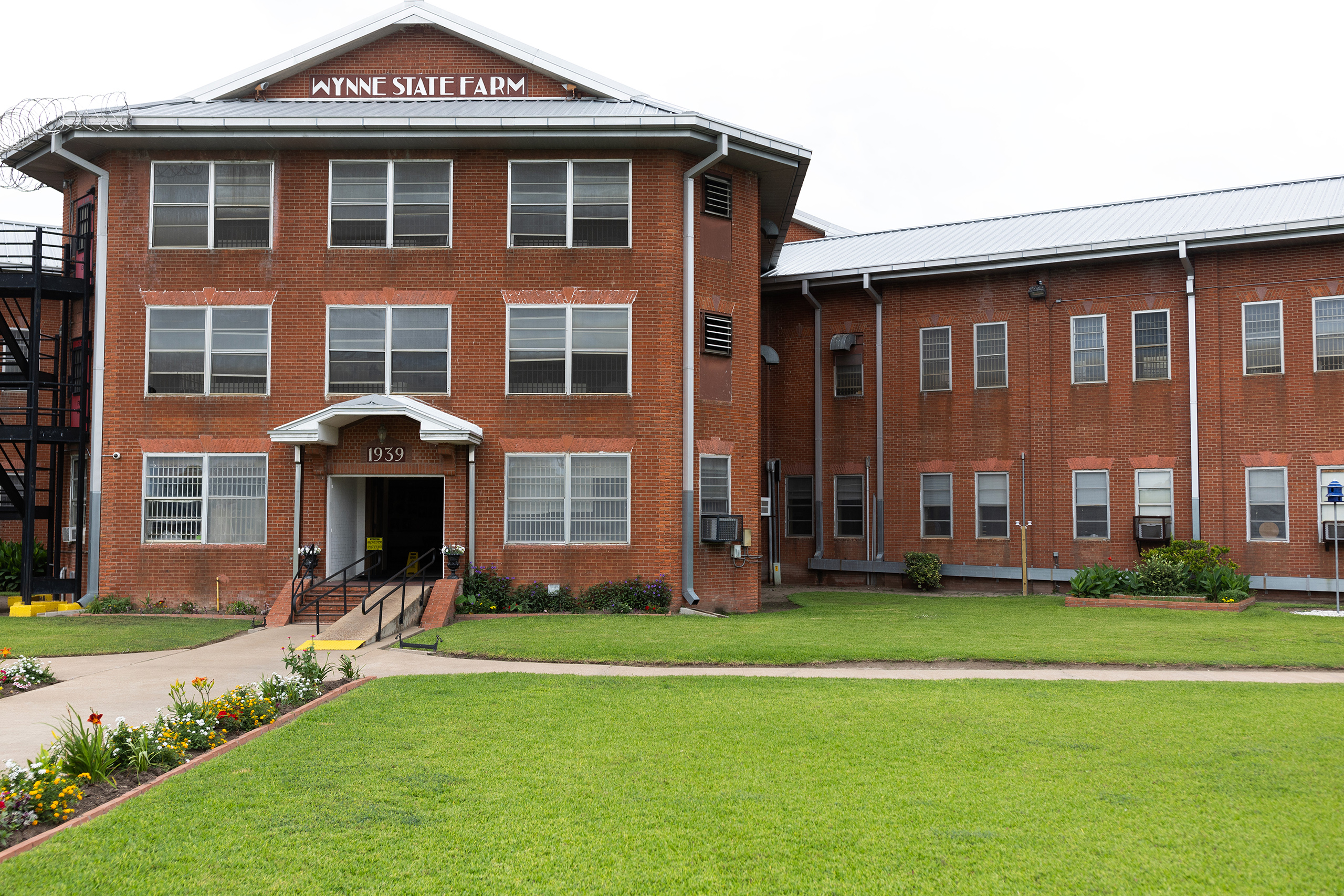
The agency is banning hardback books because they are harder to scan for contraband and in used books, officials sometimes can’t detect the difference between a coffee stain and tampered pages with the testing kits and software they use. TDCJ received 450,000 books last year — many of them are donated or sent in by family members.
“This is literally a matter of life and death for us here at the agency, we had to look at every single step that we could take to prevent that dangerous contraband from coming in, taking more lives and hurting more folks, and that’s both staff and incarcerated individuals,” said Timothy Fitzpatrick, director of classification and records at TDCJ.
In 2025, there were 129 overdoses of inmates; it’s not clear how many of those overdoses involved drugs found in books.
Book and prison advocates say such a blanket measure is unnecessary because nonprofits, such as Austin-based Inside Book Project, inspect their books closely for contraband before they donate them or send them directly to inmates. The inmates they work with say the policy unfairly punishes them because TDCJ staff also are responsible for bringing in contraband. TDCJ officials said none of the 385 books flagged last year were brought in by staff.
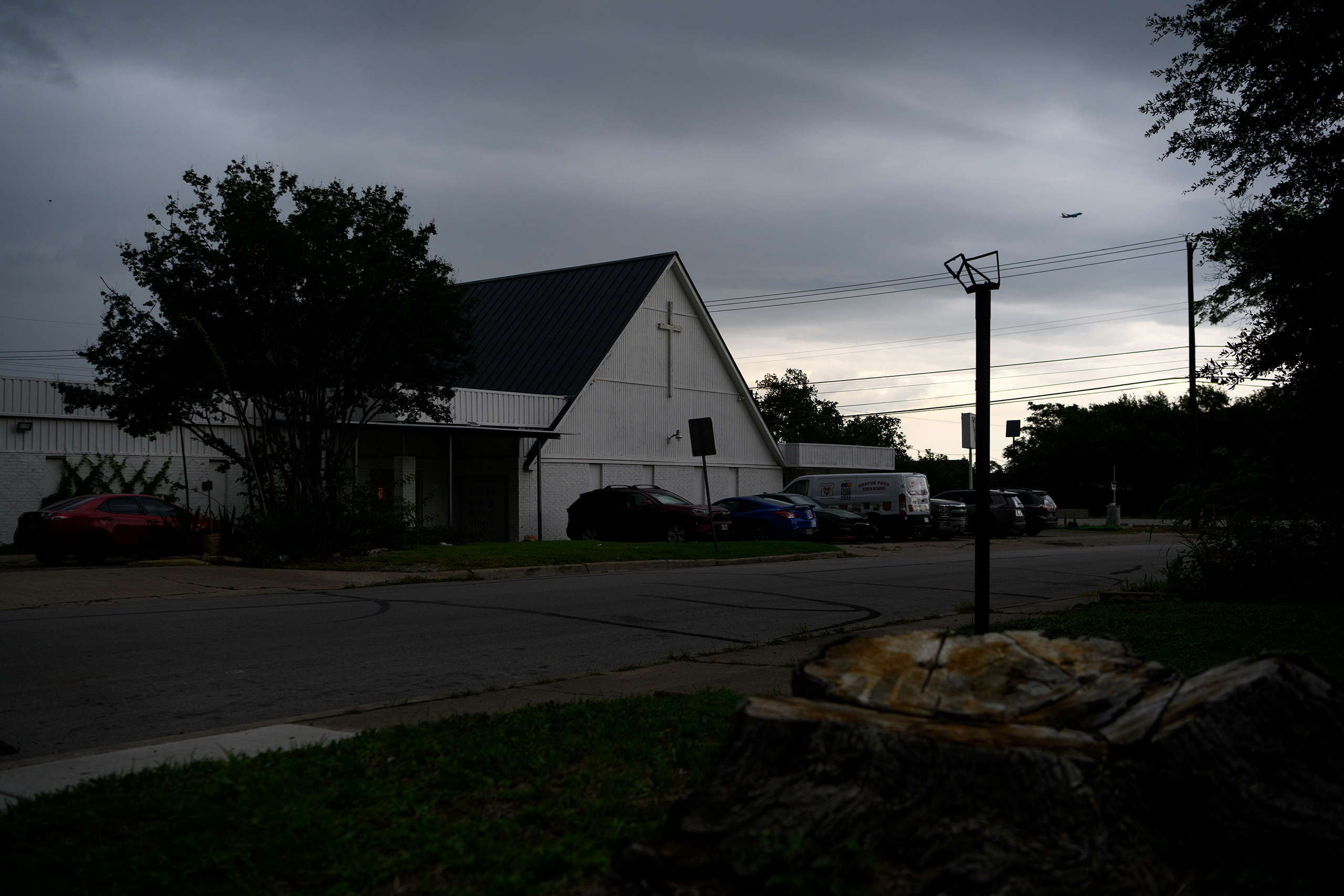
Advocates say the latest policy is a book ban cloaked as a safety measure.
“But one of the biggest concerns we had is, did they bring in all the solutions they could, or did they just say, let’s just make the easiest solution we can and just say this and this,” Hawes said.
Texas bans 10,827 book titles from prisoners, including The Color Purple, Alex Cross, and ‘Scuse Me While I Kiss the Sky. Banned categories include books that facilitate an escape and criminal schemes; demonstrate how to manufacture weapons, explosives, or drugs; incite violence; and contain nudity or sex.
Fitzpatrick said banning those titles as well as curbing hardback books and used books is to ensure that incarcerated individuals aren’t exposed to dangerous information or substances.
TDCJ developed the list “through literally decades of review and discussion and consideration,” Fitzpatrick said.
Inside Book Project sends between 30,000 and 40,000 books per year to TDCJ and about 80% of them are donated from the public. Most of the books the organization sends to inmates are used and about 15% of them are hardcover. The organization has already turned away hundreds of donated books because of the new policy.
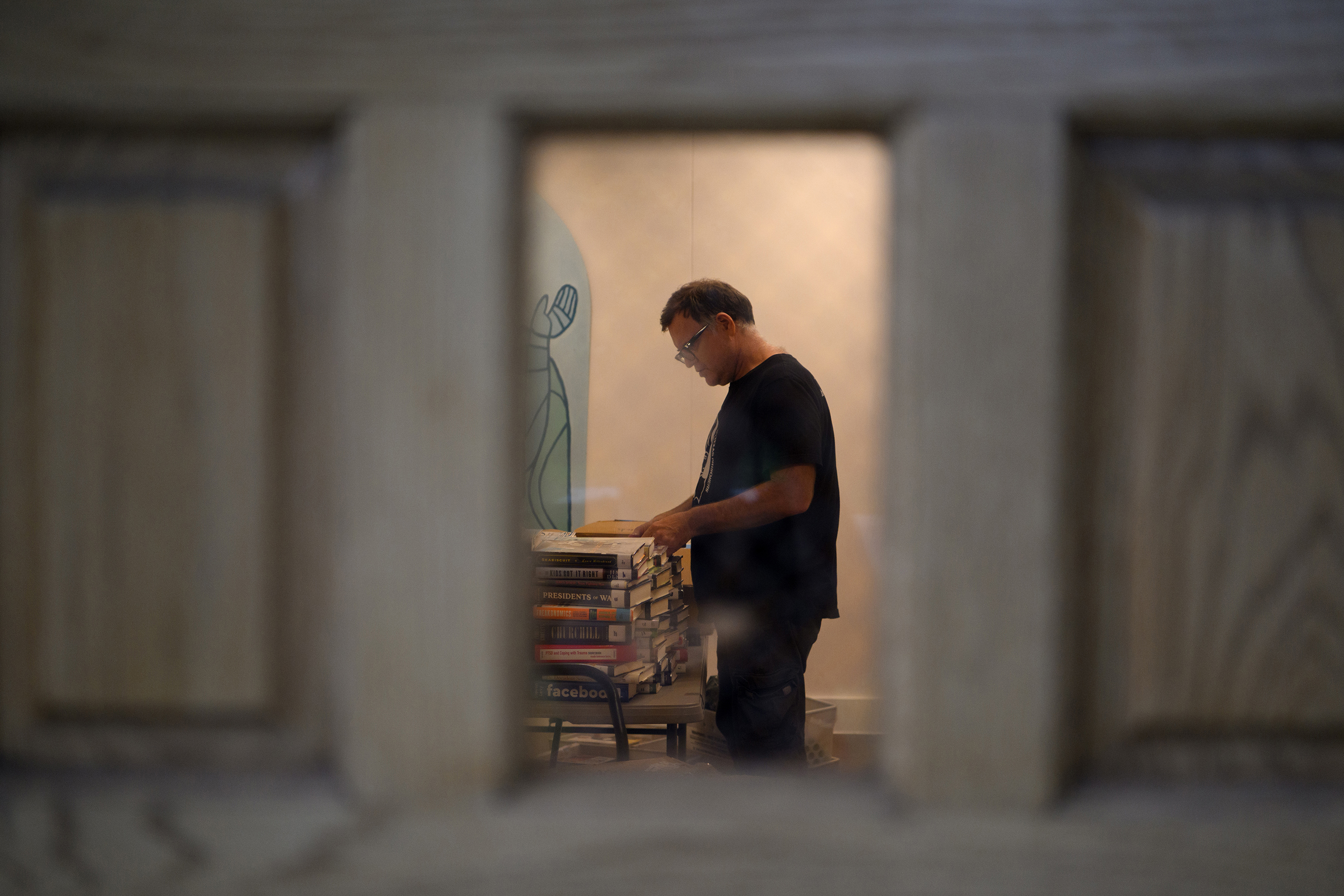
“It’s going to mean we’re going to be spending a lot more money purchasing books, and also going to be forced to restrict what we’re sending people like a lot of trade books are hardcover, a lot of legal books are hardcover and textbooks,” said Scott Odierno, the organization’s coordinator.
He said his organization checks books twice before sending them to TDCJ and his group rarely finds contraband hidden in the pages. But, TDCJ destroys many of Inside Book Project’s donated books over discolored pages and “unknown substances” without the agency saying if it ever verified that the books contained illicit chemicals, Odierno said.
“We have a very rigid policy of checking all of our books for any contraband and things like that. So, we’ve gone above and beyond what they’ve required for years, but it feels like they take advantage of the resources we provide,” Odierno said.
According to TDCJ, in addition to inspections by mailroom staff and K9s, books sent to inmates are also placed in a machine that looks for abnormalities within the cover and pages, such as a stain or items hidden inside the book, according to TDCJ. Books with abnormalities are then further inspected and tested for illegal substances.
Some of the letters that Odierno have received from inmates and reviewed by The Texas Tribune include complaints about how under the new measure, prisoners with more money can afford to buy new books while indigent inmates will not, creating inequities. Inmates can buy digital books that they can read on tablets.
Another complained that the measure punishes inmates for the actions of “a few,” including TDCJ staff who inmates accuse of smuggling in contraband as well.
Contraband can enter facilities from being tossed over the perimeter fencing, smuggled in by visitors and through the mail. In the past, they have often come from TDCJ staff, although none were caught sneaking in contraband with books last year, according to agency spokesperson Amanda Hernandez.
“We know that some [contraband is] coming in through our staff, and when we find them doing it, they are walked off a unit, arrested for all of those things,” she said.
-
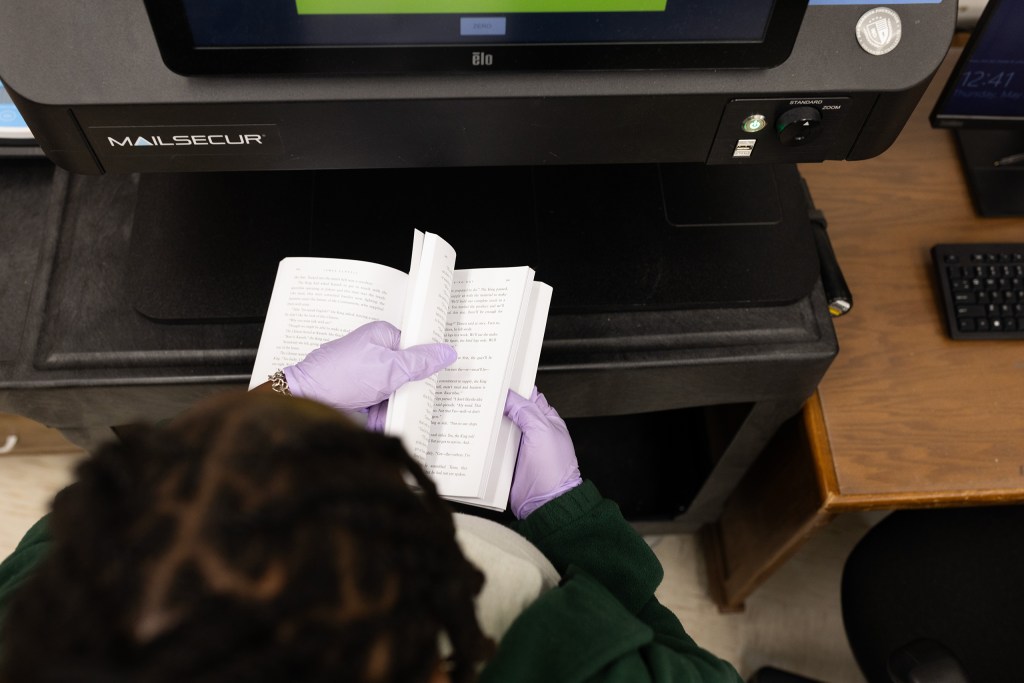
SLIDESHOW: TDCJ administrative assistant Alexis Page scans books in the mail room at the Wynne Unit in Huntsville to look for possible contraband. -
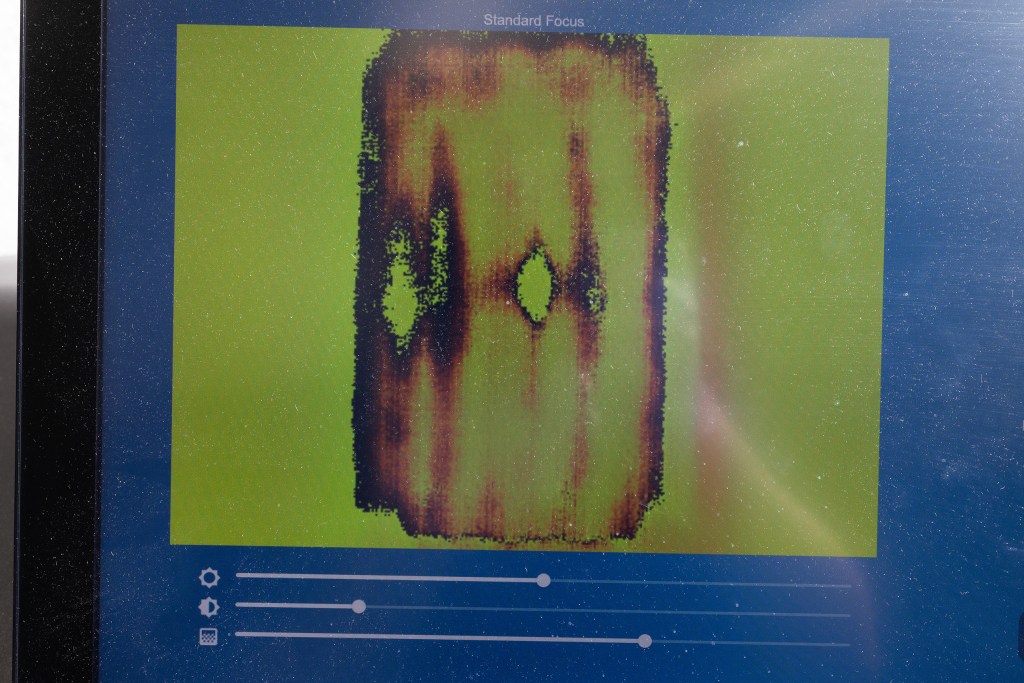
A machine scans books in the mail room helps in the search for possible contraband. -
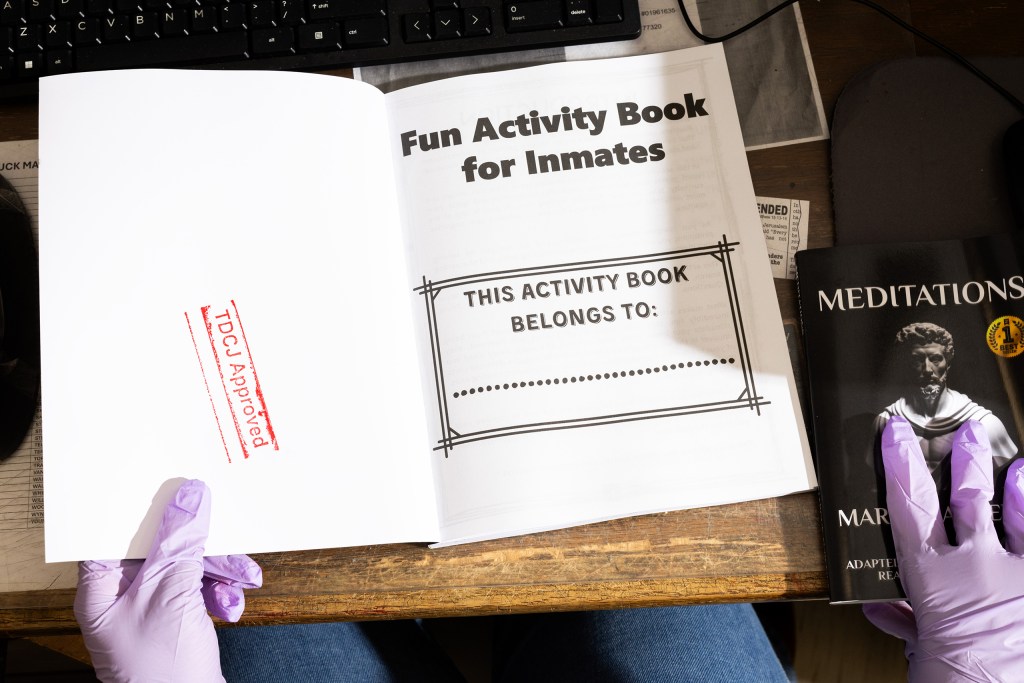
Page stamps books for approval after scanning them for possible contraband. -

Leslie Gnokoro, 22, of Austin, looks through a library of approved books at Inside Project Books at the Vesper in East Austin on May 21. -
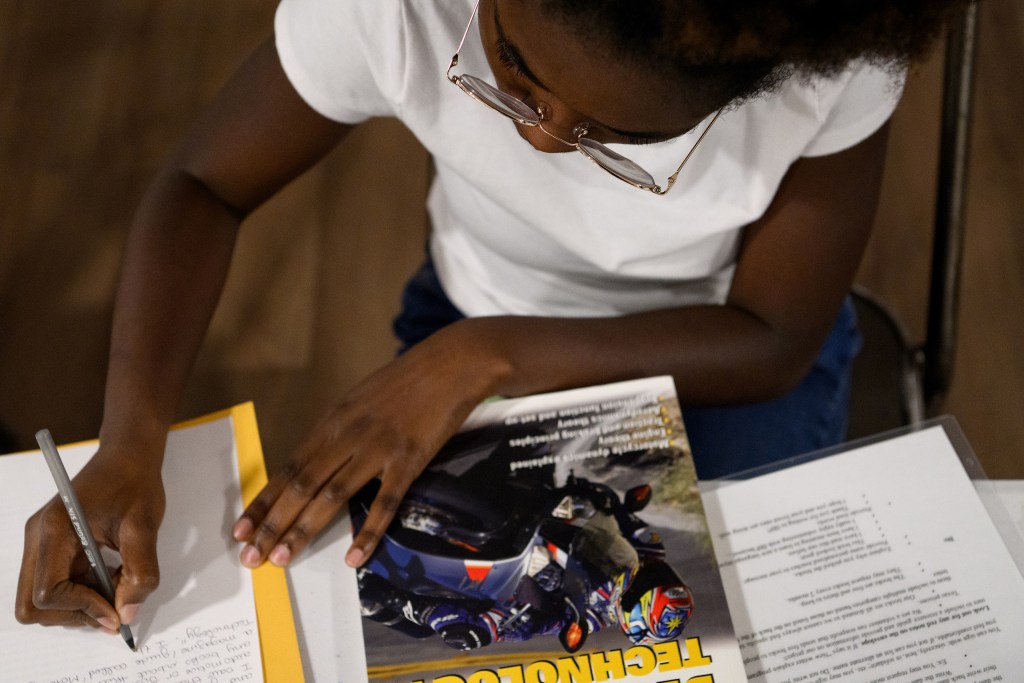
Gnokoro writes a letter to an incarcerated person. -
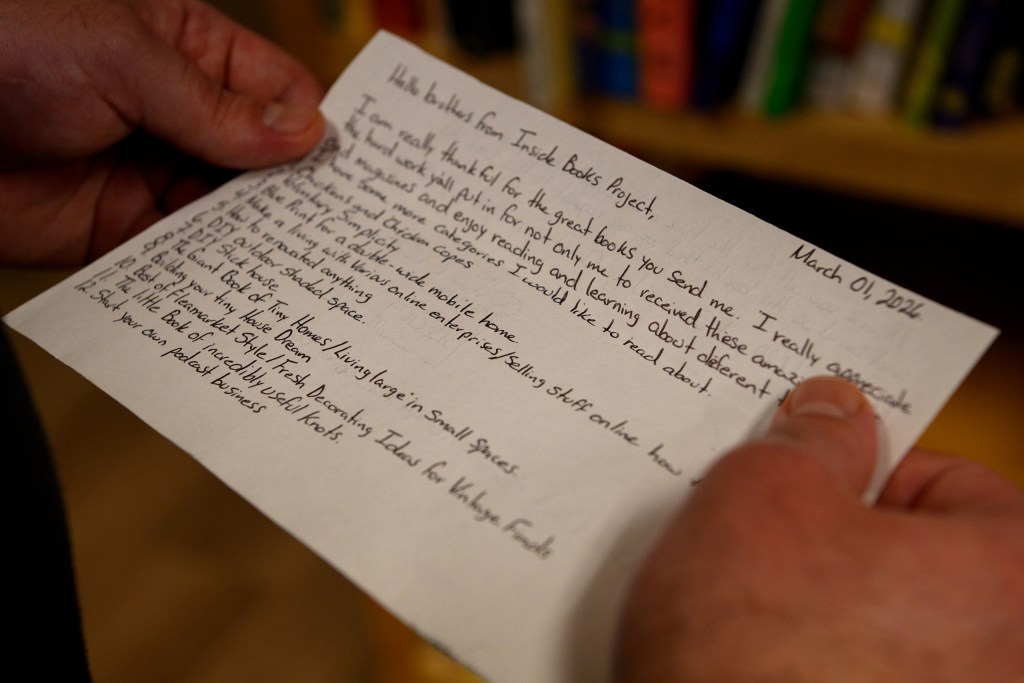
A volunteer with Inside Project Books reads a letter from an incarcerated person following a TDJC ban on hardcover books over fears that they could be used to ferry in contraband. -
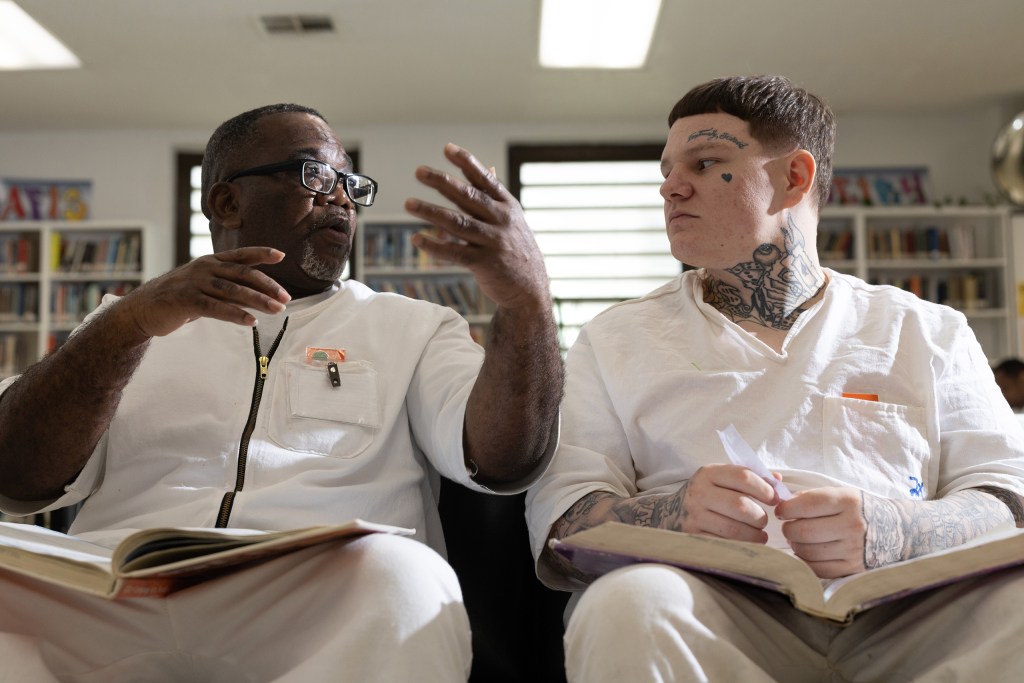
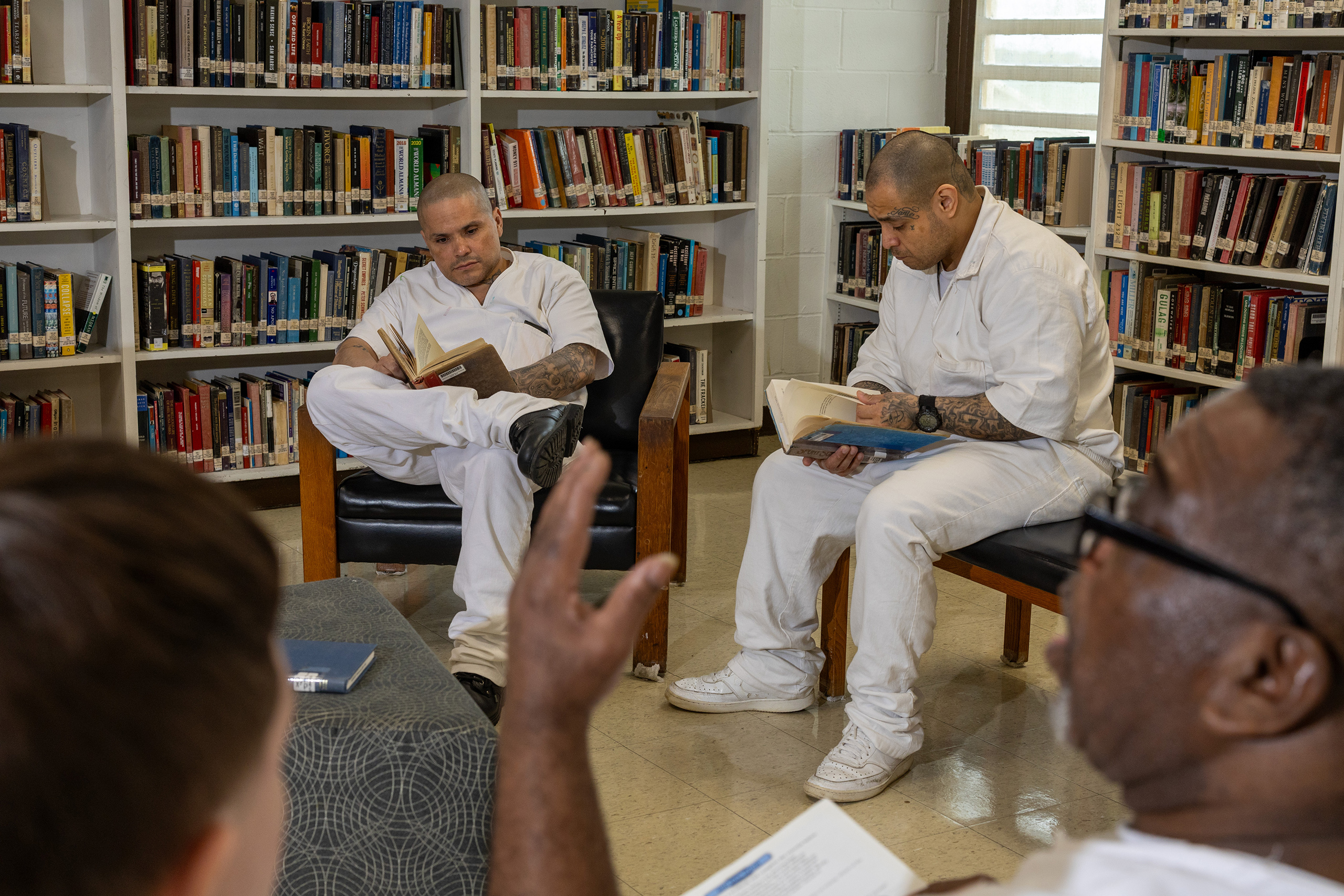
Freeman Arthur Brown, left, and Carroll Trent Dodson talk as they read through GED prep books in the library at the Wynne Unit in Huntsville.
Under the new policy, if inmates receive a hardback or used book, they will have 90 days to send the books elsewhere or the books will be destroyed.
Any book donations will now need to be sent to Windham where they have a process in place to accept, deny, and distribute donated books.
Although TDCJ says it’s been collaborating more with advocacy groups in recent years, Texas Freedom to Read and Inside Books Project, which has worked with the state for 27 years, want more conversations with the agency before it implements more policies that reduce literature and learning materials to inmates.
“If books really are changing lives, then this prevents some of that rehabilitation. This prevents some of that growth,” Hawes said. “This prevents some of the solace and the safety and the peace. In a place that may not have a whole lot of that, and we want to find ways to give more of that and not less.”
This article first appeared on The Texas Tribune.