
From the Wizarding World to the Poison Center
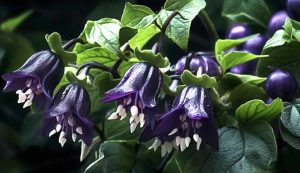
A plant with a history almost as magical as it is deadly. If you’ve ever dreamed of wandering the halls of Hogwarts, attending a potions lesson, or browsing the shelves of a magical apothecary, you may recognize the name Belladonna.
In the Harry Potter universe, Belladonna is one of the real-world plants that crosses into the magical world. It is used as a potion ingredient, and Harry’s supply even needs to be replenished before his fourth year at Hogwarts. But unlike many of the fictional ingredients found in the wizarding world, Belladonna is very real and very poisonous.
Known scientifically as Atropa belladonna and commonly called deadly nightshade, this plant has spent centuries appearing in medicine, folklore, beauty practices, literature, and stories about magic and witchcraft. And its real history may be even more fascinating than fiction.
Belladonna is a perennial plant native to parts of Europe, North Africa, and western Asia. It produces purple bell-shaped flowers, followed by shiny dark berries. Those berries can look tempting, but the plant contains powerful toxic chemicals known as tropane alkaloids. Among them are atropine and scopolamine, substances capable of significantly affecting the nervous system.
Long before Harry Potter made potion-making part of modern pop culture, plants like belladonna had already become intertwined with stories of witches, potions, magic, love spells, and mysterious poisonings.
Historical folklore associated deadly nightshade with intoxicating concoctions and supposed magical preparations. Belladonna and related plants also became connected with stories about love potions because their chemical effects could cause confusion, altered perception, memory problems, and other dramatic symptoms.
Even the name belladonna has an intriguing history. The Italian words bella donna mean “beautiful lady.” Belladonna became associated with historical beauty practices in which preparations containing the plant were reportedly used to dilate the pupils, creating the appearance of large, dark eyes.
For centuries, deadly nightshade has appeared in folklore, literature, stories about witchcraft, poison mysteries, and Gothic imagery. Its combination of beautiful berries, powerful chemical effects, and genuine toxicity made it an almost perfect symbol for something that looks enchanting but hides danger.
Plants from the nightshade family have also appeared throughout classic stories involving potions, sleep, love, and death. Over time, belladonna became part of the visual language we now associate with witches’ gardens, apothecaries, bubbling cauldrons, and mysterious bottles of poison.
Interestingly, the connection between plants and magical potions isn’t entirely a modern invention.
Eating belladonna can cause a collection of symptoms known as an anticholinergic toxidrome. Someone who is poisoned may develop:
- Dry mouth
- Dilated pupils
- Blurred vision
- Flushed or hot skin
- Rapid heartbeat
- Confusion
- Agitation
- Hallucinations
Severe poisoning can lead to serious neurological and cardiovascular effects and requires immediate medical attention.
The berries can be especially concerning when children are involved. A shiny berry growing outdoors may look interesting or even edible to a curious child who has no idea that the plant contains dangerous chemicals.
Teach children never to eat berries, leaves, flowers, mushrooms, or other plants unless a trusted adult knows they are safe. Don’t assume a plant is harmless because it is natural, beautiful, or commonly featured in books and movies.
If someone eats an unknown plant, don’t wait for symptoms to develop and don’t make them vomit.
Remove any remaining plant material from the mouth and contact Poison Help.
Belladonna has survived centuries of changing pop culture from ancient plant lore and stories of witches to Gothic literature and the wizarding world of Harry Potter. Just because something sounds magical doesn’t mean it isn’t poisonous.
If a mysterious plant finds its way into the wrong hands, skip the spell book and call the experts.
Poison Help: 1-800-222-1222
No wand is required. 🪄