Mike Morath wanted Texas to reach No. 1 in education. Test scores show there’s more work to do.
By Jaden Edison, The Texas Tribune
September 16, 2026
Mike Morath set a goal 10 years ago to make Texas No. 1 in education, declaring then that “the future of the state is delivering great results for brown and Black kids while ensuring great results for everybody.”
A decade later, national test scores indicate he still has a steep road to travel before the pizza party. While Texas’ fourth grade math students jumped from 18th to 8th over his tenure, the state otherwise lingers in the bottom third of the country.
However, no one can convince the “proven education reformer” that his body of work has not improved children’s lives.
“Everywhere that I have had direct governance oversight for student learning,” Morath said on a recent summer Thursday, “student learning has increased.”
Morath’s confidence has powered his rise to becoming the second-longest-serving education chief in Texas history. It informs how the former software developer gains trust from Gov. Greg Abbott, who appointed him, and top Republican lawmakers. The perception that he knows best, despite only six months of part-time classroom experience, also explains why his plans at times falter among public school advocates, administrators and teachers.
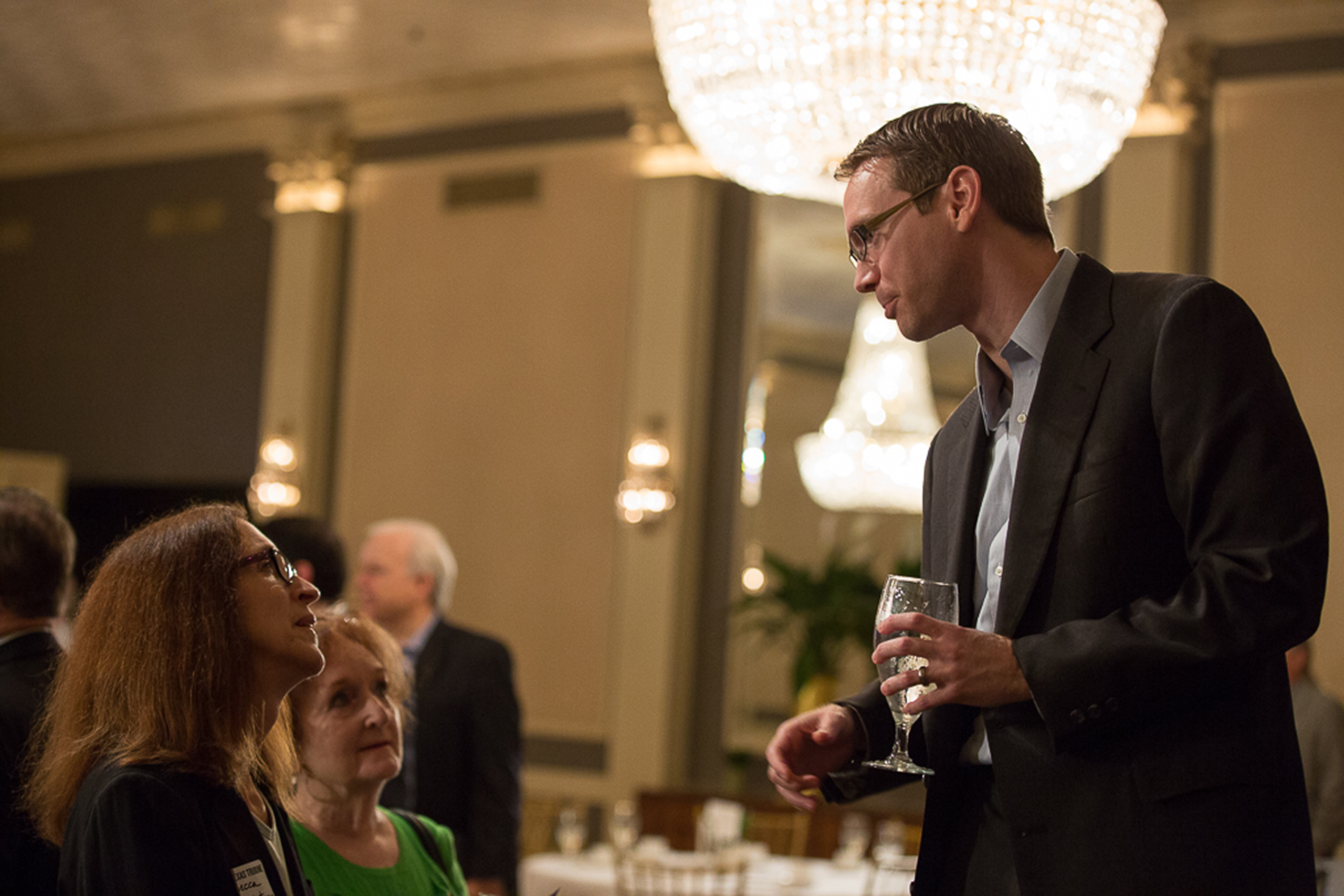
The 49-year-old oversees an agency responsible for nearly 5.5 million students, 382,000 instructors and 1,200 districts. During his time at the helm, Morath has navigated a global health crisis, Texas’ deadliest school shooting and dramatic enrollment declines. The former Dallas school board member has also taken over seven districts for failing academic standards.
State exams show children rebounding from pandemic learning loss in reading and science but lagging in math and social studies. On the preeminent national exam, Texas’ reading scores dropped to their lowest point in decades in 2024, the most recent year of those results, while eighth grade math outcomes plummeted faster than the national average.
Fewer than half of Black and Hispanic children met grade-level expectations on Texas’ own reading test this year, lagging more than 20 points behind white students and more than 30 points behind Asian students. Similar opportunity gaps existed in 2019, just before the pandemic and three years after Morath took office.
Majority-Black schools in Texas receive more Fs than A ratings.
Morath admits that Texas education, where Black and Hispanic children make up two-thirds of the population, must improve. However, he finds it important to clarify the job of the commissioner and his agency: to oversee and support schools. In many ways, he asserts, the buck “is designed to stop with local school boards.”
Evaluating his performance when locally elected trustees fall short of expectations, Morath concludes, “You have no choice but to give us an A.”
Under his watch, Texas launched a nationally recognized program that boosts pay for teachers who improve student outcomes. Schools made strides in identifying children who require special education services, following federal orders. Learning improved in virtually every district Morath took over for academic failure, according to his agency’s data, even as the number of such interventions has sharply risen.
And while Texas’ national scores rank in the bottom half of the country, its children continue to perform near the top when compared to states with similar poverty, language barriers and racial diversity.
“A lot of people don’t necessarily know these state commissioners or state superintendents, and a lot of times they don’t, frankly, do much,” said Michael Petrilli, president of the Thomas B. Fordham Institute, a conservative-leaning education think tank. “Mike Morath is cut very differently. He clearly believes that kids in Texas could be doing dramatically better than they are.”
Republican officials who back Morath often focus their political ire on public schools, whose leaders they often accuse of lacking focus on student outcomes. They have passed laws restricting how districts spend money, banning diversity efforts, cracking down on library books, policing how teachers depict racism and infusing more Christianity into classrooms.
Morath, a political appointee, does not see himself as a politician.
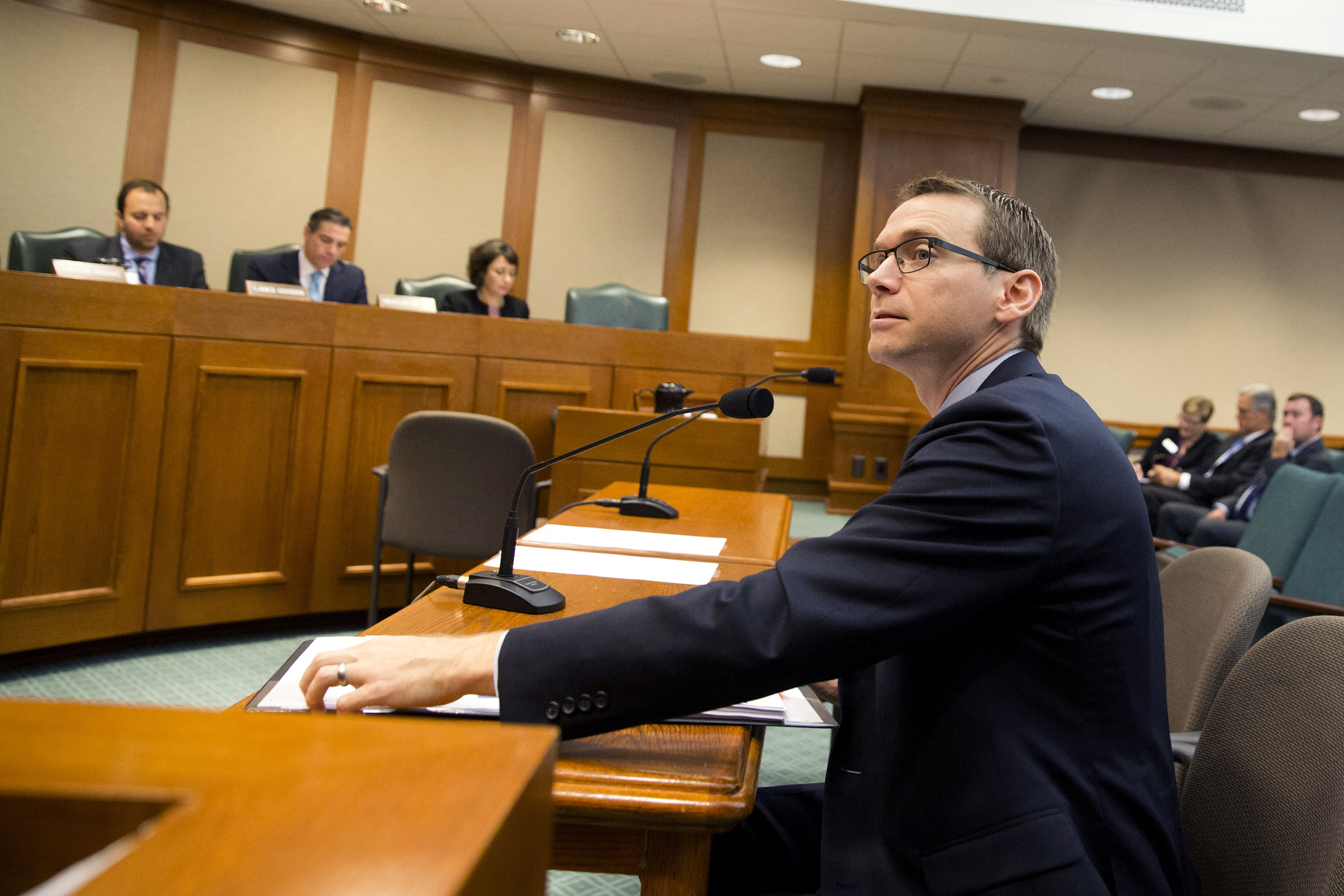
A member of a historically Black fraternity while attending George Washington University, he has championed learning materials that include lessons minimizing slavery and racism. He often avoids public stances on policies that conservatives say eliminate left-leaning bias but that others argue harm Black, Hispanic, LGBTQ+ and non-Christian children.
Some public school administrators and advocates say Morath also works against their priorities. When they detail how plummeting enrollment harms their campuses, he says it could help. When they criticize lackluster public school funding, he defends current investments.
David Anderson, an education consultant whose decades of experience include working at the Texas Education Agency, said, “If you surveyed school leaders, superintendents, trustees, service center directors, the level of trust and confidence in TEA and the commissioner is probably the lowest that I have seen in my 53-year career.”
But Morath wants Texas education to work for students, not just adults.
Children remain his top priority, he says. And even as too many of the “five and a half million souls” in public schools struggle academically, Morath’s confidence seems to fuel his belief that Texas education can still one day lead the nation.
If only the local decision-makers would follow his lead.
“Morally, I wake up every day, and it’s my obligation to try to improve the quality of learning for as many kids as possible in the state of Texas,” Morath said. “I feel the weight of this.”
Tough love
Wichita Falls ISD had no math or reading materials when Donny Lee started as superintendent in 2022, leaving teachers scrambling to find their own.
With limited funds to ensure all students received consistent instruction, Lee called the commissioner.
Morath set the northwest Texas district up with new supplies beginning at two elementary schools, free of charge. He later assisted Lee again by facilitating the district’s partnership with a charter school operator, a move that helped Wichita Falls avoid a takeover after years of failing state standards.
Through their interactions, Lee learned that while many in Texas hold complicated feelings about Morath, the key to building rapport with him is simple.
“It’s all about results,” the superintendent said. “It’s not about anything else — about excuses or about other issues that the school district may be having. Are your students learning? And then if they are, show me the data to prove it. If they’re not, why not? What systems do you have in place to ensure that you get results?”
District leaders’ failure to show positive academic results has led to Morath stripping them of authority and handing it to his own appointees, a power granted to him by state law when a campus receives five consecutive F ratings.
Many agree on Morath’s willingness to meet with educators, his care for children and his data-centered intellect that helps inform those decisions. He does “a great job of being about the pupils instead of the politics,” said Eric Hale, a Dallas ISD teacher who has worked with the commissioner over the past decade.
But his heavy-handed leadership often keeps other educators from fully embracing him. With that also comes a belief from some that he will not publicly support schools when they need him most.
“He’ll be very deferential to educators in commentary, but not in action,” said Monty Exter, who advocates for teachers on behalf of the Association of Texas Professional Educators.
Morath fails to understand that data often does not tell the full story, critics assert. And how he chooses to present information often lacks important context, they emphasize.

When Morath touts the academic success of his recent school takeovers, for example, he does not cite national evidence showing that similar interventions typically do not lead to sustainable learning gains. He does not contextualize how takeover-induced enrollment drops, teacher turnover and the increased use of uncertified educators may impact struggling districts in the long term.
“None of that research has actually covered Texas,” Morath contends, often highlighting massive test score leaps in Houston ISD since he intervened in 2023.
He also says that state funding of public education has “significantly” increased through most of his tenure, pushing back against claims that lawmakers do not invest enough in the system. However, the $16,000 per-student he references includes money that does not go to classrooms, and it does not account for inflation. When adjusted accordingly, funding has increased by only 5% in the last decade. And it has dropped by 5% since 2021.
But the commissioner remains adamant that so many districts face budget shortfalls because of federal pandemic money expiring in 2024. In his explanation, he does not mention underfunded state requirements that also drove up schooling costs or the six years that districts endured without comprehensive funding legislation.
“I hear a lot of people talk about the school finance system, and everyone seems to have selective analysis,” he argues. “I have a degree in finance. I know how to read financial statements.”
Morath supporters trust that he knows best, even with his limited track record in the classroom. But that often places him at odds with educators who have decades of experience working alongside students.
“The power of an individual who is a noneducator, at times, has gone too far,” said Martha Salazar-Zamora, superintendent of Tomball ISD. “He does bring in people that help with writing the curriculum — or doing this, or doing that — but they’re rarely practitioners. They’re smart people, but I don’t want just a smart person operating on my heart. I want a cardiologist.”
How children perform in school has to do with more than just campus leadership quality, Morath critics stress. Historical factors tied to race and poverty also weigh heavily, a truth some parents feel the commissioner and his appointees fail to understand when intervening in their communities.
“Why are you coming and telling us what to do without even being in our classrooms to see what we do,” said Keisha Braziel, a Fort Worth mother. “To visit one time for 10 minutes is not gonna cut it. That’s like me showing you a house and saying, ‘You can only look at the living room.’ What? And you want me to make a decision based on what I saw in the living room?”
Morath says he wants to serve students, but not all of them feel that way.
“The intention has never been to actually empower students, but rather to accomplish his policy priorities,” said Cameron Samuels, co-founder and executive director of Students Engaged in Advancing Texas.
With many criticisms of Morath, fewer avenues exist to hold him accountable.
The commissioner, school trustees and voters can oust district leaders when they fail to meet expectations. But the education chief does not sit through hours of public critique monthly or receive public A-F ratings yearly, nor does his agency face threats of a takeover when he fails.
He only has one boss to please.
Greg Abbott.
“Commissioner Mike Morath puts Texas students first and refuses to accept the status quo,” Andrew Mahaleris, the governor’s spokesperson, said in a statement. “He is a product of Texas public schools, served on a local school board, and has spent the past decade focused on what matters: teachers in the classroom and outcomes for students. Every Texas child deserves a high-quality education, and Texas schools are better because of Mike Morath’s leadership.”
Stronger results
Morath admits to not knowing everything. He also expresses a willingness to meet with anyone and listen to their perspective. With millions of Texans passionate about education, he recognizes the difficulty in establishing universal trust.
If he could build relationships with all of them, he believes more people would understand his intentions, even if they dislike his decisions.
“Some of these people have very well-thought-out, evidence-based plans. Some of these people have very poorly thought-out plans that don’t have any evidence with them,” Morath said. “I have to sort of synthesize all this to figure out how we make decisions then that help the most kids.”
However, if people want him to engage in “political arguments” — such as fighting anti-immigrant rhetoric or anti-diversity laws — they should adjust their expectations. “That’s not me,” said Morath, who recently played a leading role in establishing a mandatory reading list for all public school students that includes Bible stories.
Morath’s agency employs about 1,240 full-time employees, up from roughly 830 the year Abbott announced his appointment. Texas laws grant him overwhelming authority in teacher compensation, textbook publishing and student testing. He and his colleagues oversee a range of optional programming for districts, using additional state funding as the reward for participation.
Elected leaders trust him with that power, and they rely on him to understand how state policies impact students.
“Mike is one of the most intelligent people that I’ve met in my life,” Republican State Board of Education Chair Aaron Kinsey said. “He believes in himself. But the other part of that is not just believing in yourself; it’s believing that you know the topic that you’re covering and you’re responsible for.”
Morath’s time as commissioner could also come to an abrupt end.
State Rep. Gina Hinojosa, the Democratic candidate for Texas governor, vowed to fire him and appoint a career educator in his place if voters elect her in November.
Hinojosa, a former Austin ISD trustee, argues that his emphasis on high-stakes testing sets schools up for failure and that his increasing reliance on takeovers unfairly strips local communities of a say in how their campuses should operate. She criticizes him for “doing Greg Abbott’s bidding at the expense of Texas kids.”
Critics point to student test results, low teacher morale and districts’ financial strains as evidence that Texas education has not improved under Morath’s leadership. His agency has grown in size and authority, they argue, while local autonomy has diminished. Some of Morath’s shortcomings have also cost taxpayers, such as the recent $8.4 million to correct thousands of mistakes in learning materials his agency produced for classrooms.
Even Morath’s supporters acknowledge the necessity for student performance to catch up with fanfare.
“We need to be seeing some stronger results on NAEP or else start to call the question,” said Petrilli, the Fordham Institute president, referring to the National Assessment of Educational Progress used to evaluate learning across the country. “Maybe it’s coming. I hope it’s coming. It needs to come soon, but it hasn’t come yet.”
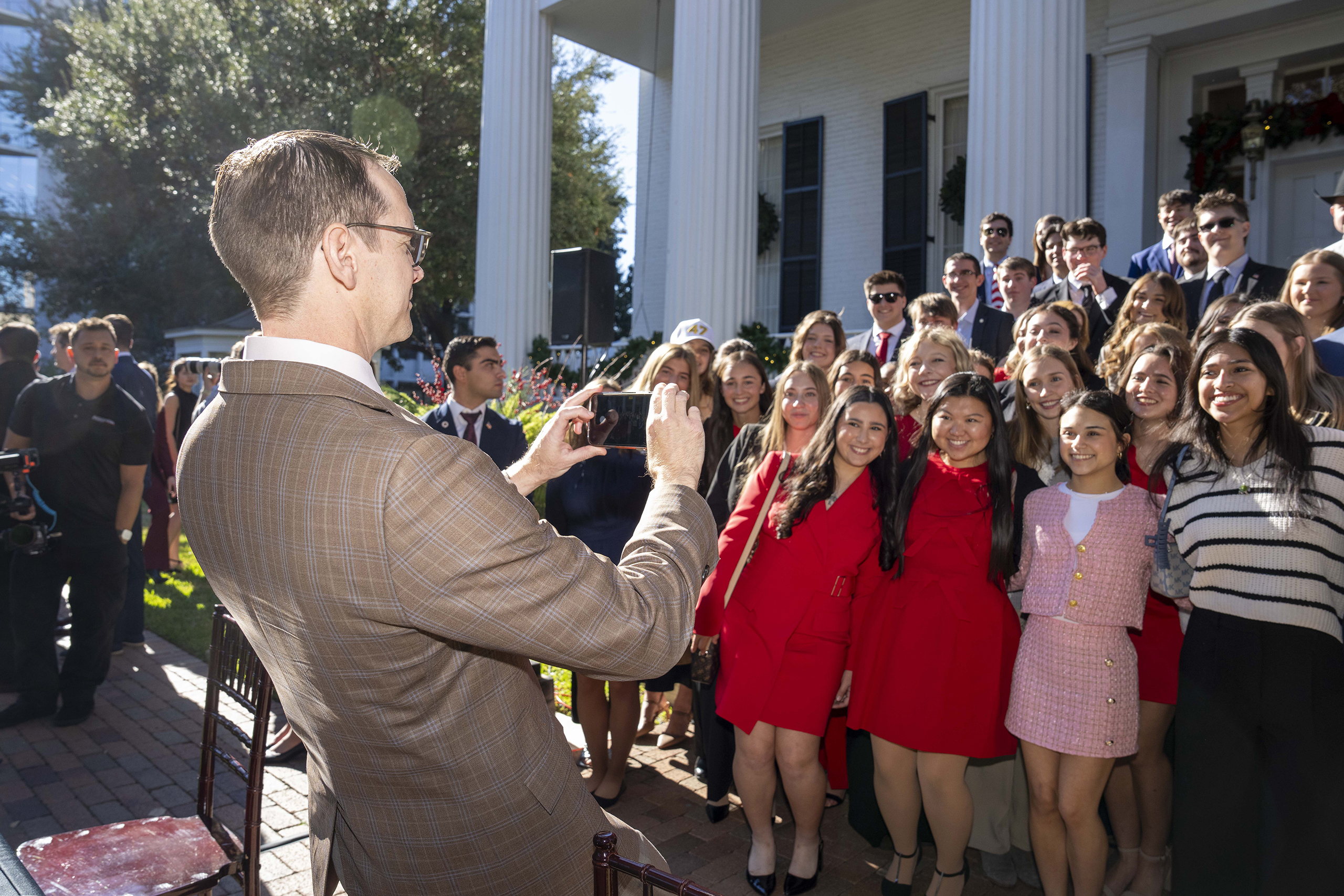
Morath’s confidence has always attracted outside noise, whether as a trustee pushing to transform Dallas ISD into a home-rule charter district or as the state education commissioner exerting control over underperforming campuses.
He makes clear that he does not want to live in a world where the voices of the governor, interest groups, or frustrated parents matter less than his own. He considers the noise surrounding his leadership an asset, understanding that much of it comes from people wanting young Texans to succeed.
He does not sound like a man eager for quiet anytime soon.
“I feel blessed to be able to do this work, to be able to serve in this role, where every day I get to wake up, and my job is to try to figure out how to help improve the quality of schools for five and a half million kids,” Morath said. “That’s all I’m motivated by.”
Disclosure: Association of Texas Professional Educators has been a major financial supporter of The Texas Tribune. David and Jan Anderson and Julia and Evan Smith have been financial supporters within the past five years. The Texas Tribune is a nonprofit, nonpartisan news organization that is funded in part by donations from members, foundations and corporate sponsors. Financial supporters play no role in our journalism. Find a complete list of them and more information about our financial and disclosure policies here.
This article first appeared on The Texas Tribune.