Op-Ed: Rural Voters Shook Up the Establishment. Will Politicians Listen?
Rural voters shook up the political establishment in this year’s midterms. From Iowa and Kansas to western Wisconsin and North Carolina, voters in small towns and rural places helped flip Senate seats, governor’s offices, and legislative majorities.
I wasn’t surprised.
For years, I’ve worked with rural-led organizations across the country. I’ve seen something building: frustration with a system that works for wealthy corporations and political insiders while working families struggle to get ahead.
Rural people want lower costs, affordable health care, good jobs, and a fair shot for farmers and small businesses. They value personal freedom and want a say in what happens to their land, their families, and their future.
In rural America, the gap between what Republicans said and what they did was especially stark. Higher prices, destabilizing tariffs and immigration raids, unending wars, and cuts to essential services hit already struggling rural economies hard. The buildout of data centers, corruption, and the handling of the Epstein files reinforced how the system works for wealthy elites, not ordinary people.
Rural voters said what was hiding in plain sight: the emperor had no clothes.
A year ago, Iowa farmers organized town halls about the state’s high cancer rates and demanded accountability from pesticide companies. In Kotzebue, northern Alaska, 75 people gathered to discuss federal cuts to health care and other essential services. Across the country, residents were organizing against massive data centers and factory farms threatening local communities while receiving sweetheart deals from state governments.
These concerns reflect a broader frustration with an economy and political system that puts corporate interests ahead of working people.
And voters responded. Rural counties shifted more than 15 percentage points toward Democrats compared with 2024, according to the Washington Post. Starr County, Texas, shifted 72 points. In Marshall County, Iowa, where residents are still recovering from a devastating windstorm and facing a proposed massive data center, the shift was 29 points.
But this wasn’t simply about a national political wave. Another important ingredient was years of investment in local organizing.
In Iowa, grassroots organizations have spent years holding community conversations and promoting a different narrative around issues like immigration. In other states, rural groups helped residents fight for affordable housing, protect hospitals, and hold powerful corporations accountable. They’ve organized house parties, knocked on doors, and helped neighbors navigate the practical barriers to voting.
That work matters. A recent survey of rural voters across 16 states found that roughly 80 percent hadn’t had an in-person political conversation with either party during the election cycle. Just 6 percent reported a visit from a Democratic canvasser. Local organizations and leaders are filling a vacuum that campaigns have largely ignored.
The lesson is that rural voters are persuadable, but they aren’t waiting for political parties to discover them every two or four years. Where communities have invested in sustained civic engagement, that organizing is creating the relationships and capacity to turn frustration into political change.
The stakes extend well beyond Election Day.
Neither party can govern without competing in rural communities, but winning votes is only the beginning. Rural voters have given Democrats another chance — they haven’t yet given the party their trust. Many remain skeptical of politicians who show up during election season, make promises, and disappear afterward.
The incoming class of elected leaders has an opportunity to do something different. Many come from rural and working-class communities themselves. They understand people are looking for plain talk and results: lower prices, higher paychecks, accessible health care, support for family farms and small businesses, and a real say in decisions affecting their communities.
That means working alongside the local groups and leaders who have spent years building relationships.
Rural voters have made their voices heard. They’ve shown that communities too often dismissed by political strategists can help determine our country’s future. Will leaders listen, invest, and deliver for the communities that delivered this landslide? Or will they return to policies and rhetoric that alienated rural voters for decades?
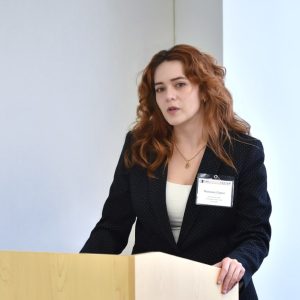
 Sarah Jaynes is the Executive Director of the Rural Democracy Initiative, a funding collaborative that supports and connects rural leaders working to transform their communities. This op-ed was distributed by OtherWords.org.
OtherWords commentaries are free to re-publish in print and online — all it takes is a simple attribution to OtherWords.org. To get a roundup of our work each Wednesday, sign up for our free weekly newsletter here.