
Federal cuts threaten a Houston soccer club for at-risk youth. One state leader hopes to save it.
By Stephen Simpson and Antranik Tavitian, The Texas Tribune
July 22, 2026
HOUSTON — Less than 10 years ago, Moises Badera, 14, was playing soccer at a refugee camp in Burundi. He never would have imagined that he’d step onto a World Cup field in Houston, next to one of his favorite players, Cristiano Ronaldo.
But that’s exactly where he found himself after the soccer club he was a member of, reVision FC, offered him a once-in-a-lifetime opportunity to serve as a flag bearer June 23 at the world’s biggest tournament.
“I was trying to act nonchalant, but inside I wanted to call out his name, but I was like nah,” Badera said with a laugh.
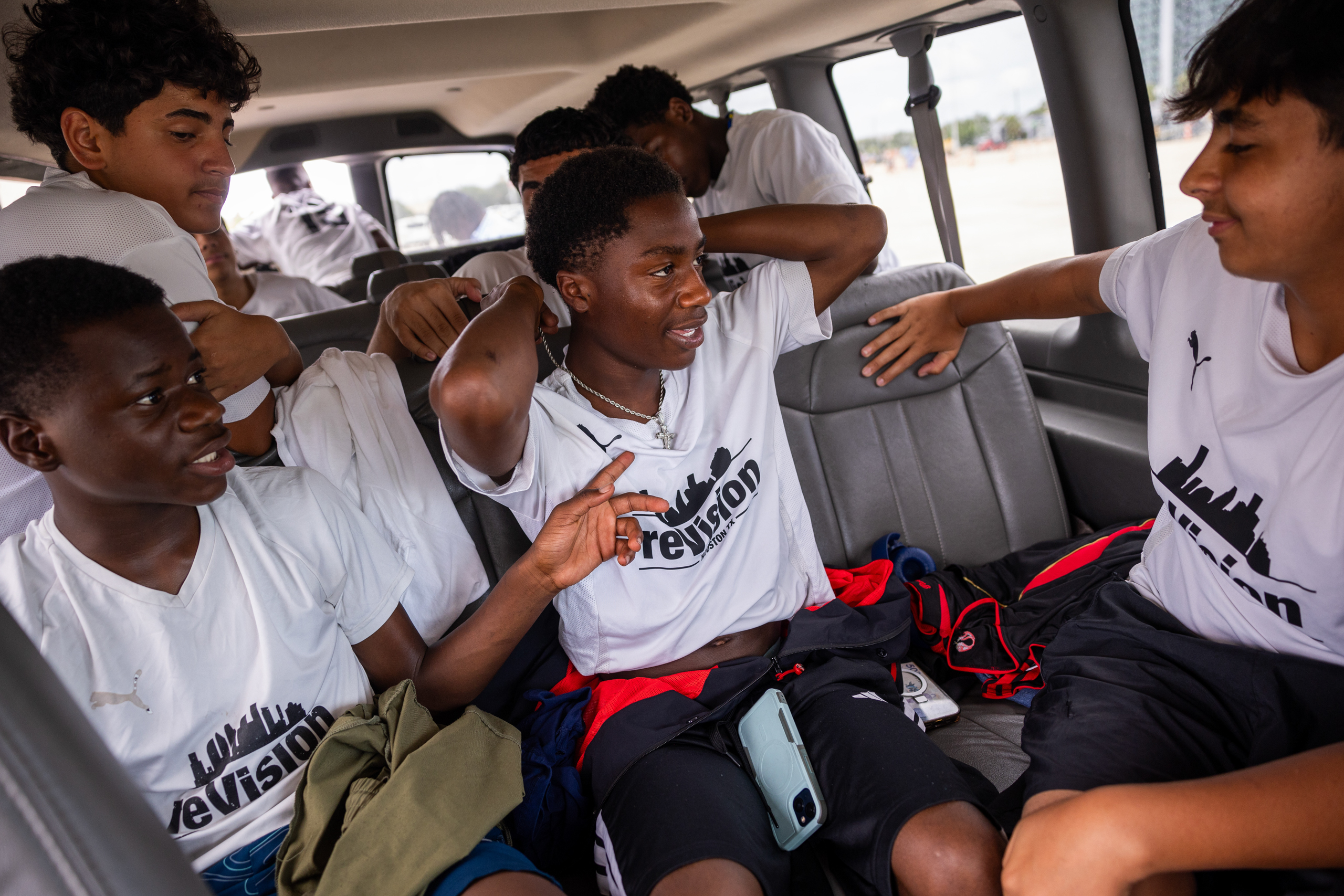
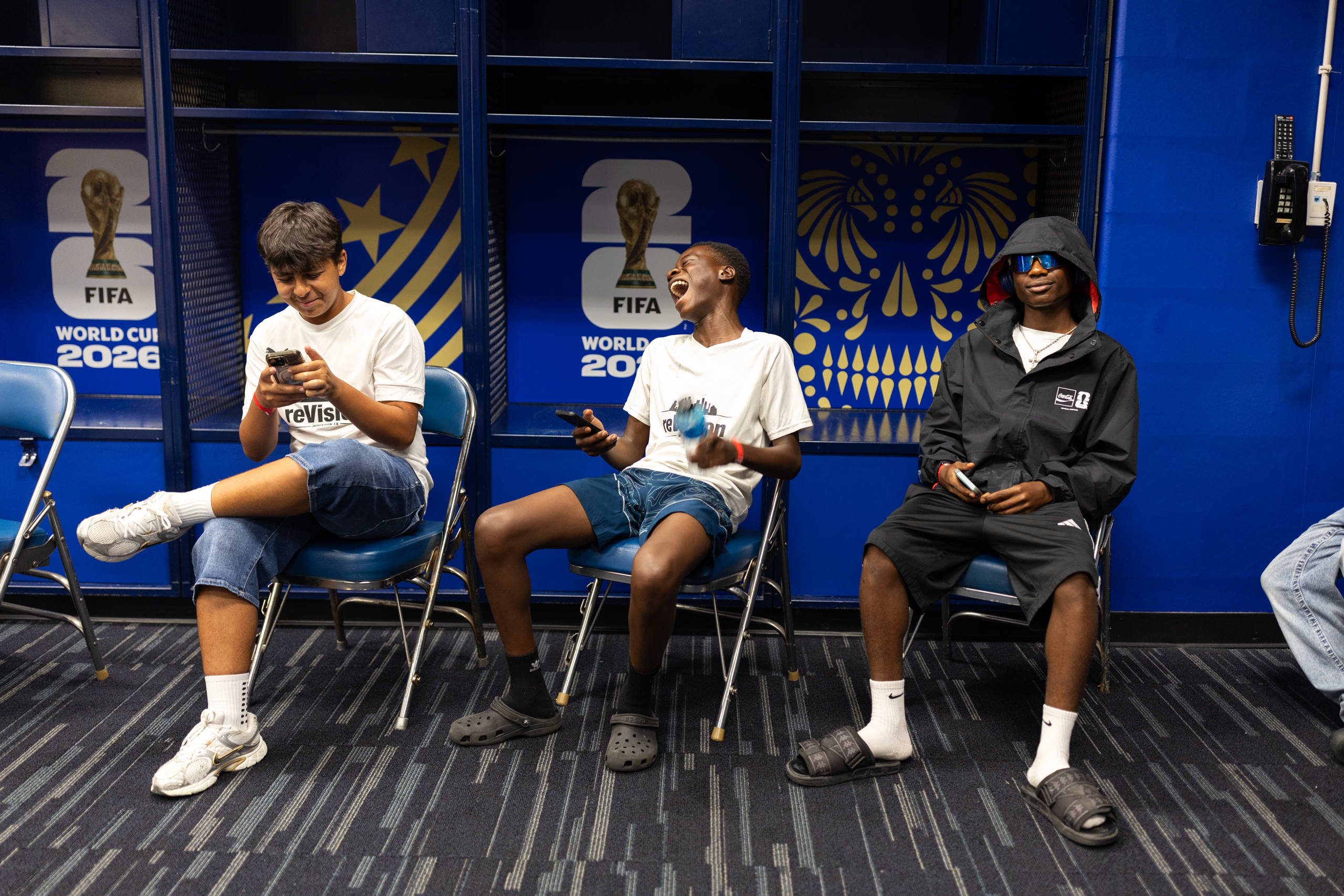
Badera’s confidence and his participation in the FIFA 2026 World Cup are just one of the multitude of character-building and life-changing experiences that reVision FC, a nonprofit soccer program in Houston, has provided to hundreds of young players since its founding in 2007.
The program, established in southwest Houston, aims to keep teenagers and young adults safe and out of gangs. Based in the suburbs of the Gulfton and Sharpstown communities, the group’s members are at particular risk of isolation due to the region’s immigrant demographics.



However, the donation-and-grant model on which this youth program is built is starting to crumble due to the downstream effects of federal budget cuts and economic uncertainty.
The Department of Justice terminated roughly $819.7 million in grants nationally, hitting juvenile justice and delinquency-prevention nonprofits like reVision especially hard. State funding has also been inconsistent, with support coming and going with each passing legislative session. Nonprofit foundations that supported the program face their own funding challenges and have had to step back from auxiliary support to keep staff.
“We are down 50% in funding,” said Charles Rotramel, soccer coach and CEO of Houston reVision, the nonprofit behind the youth club. “A lot of our funding sources that we got from the federal government were deemed DEI, and they just got outright eliminated.”
Without a change, the future of this Houston-based soccer program is starting to dim. State Rep. Gene Wu, the Houston Democrat who leads his party in the Texas House, is working to keep the club alive. He plans to introduce a bill during the next legislative session that would dramatically increase funding for programs like reVision FC by using a portion of the Texas Juvenile Justice Department’s funds.
“These are things that other responsible governments in other societies do normally,” Wu said. “The state should be paying for this. This should be a county program. It should be funded by the city. This is just basic common sense that we’re refusing to do.”
Once in a lifetime
Badera said when he walked onto the field at NRG Stadium, he was struck by loud cheers coming from the World Cup audience and the height of the players. He was far from his birth country, the Democratic Republic of the Congo, but he oddly felt at home due to the confidence built into him from playing soccer, better known as football across the world, for years.
“I wasn’t really nervous about the crowd, for some reason,” Bedera said. “Like, why would I get nervous because people are looking at me? Whenever I play varsity, there are a lot of people watching; it’s just a little bit bigger now.”

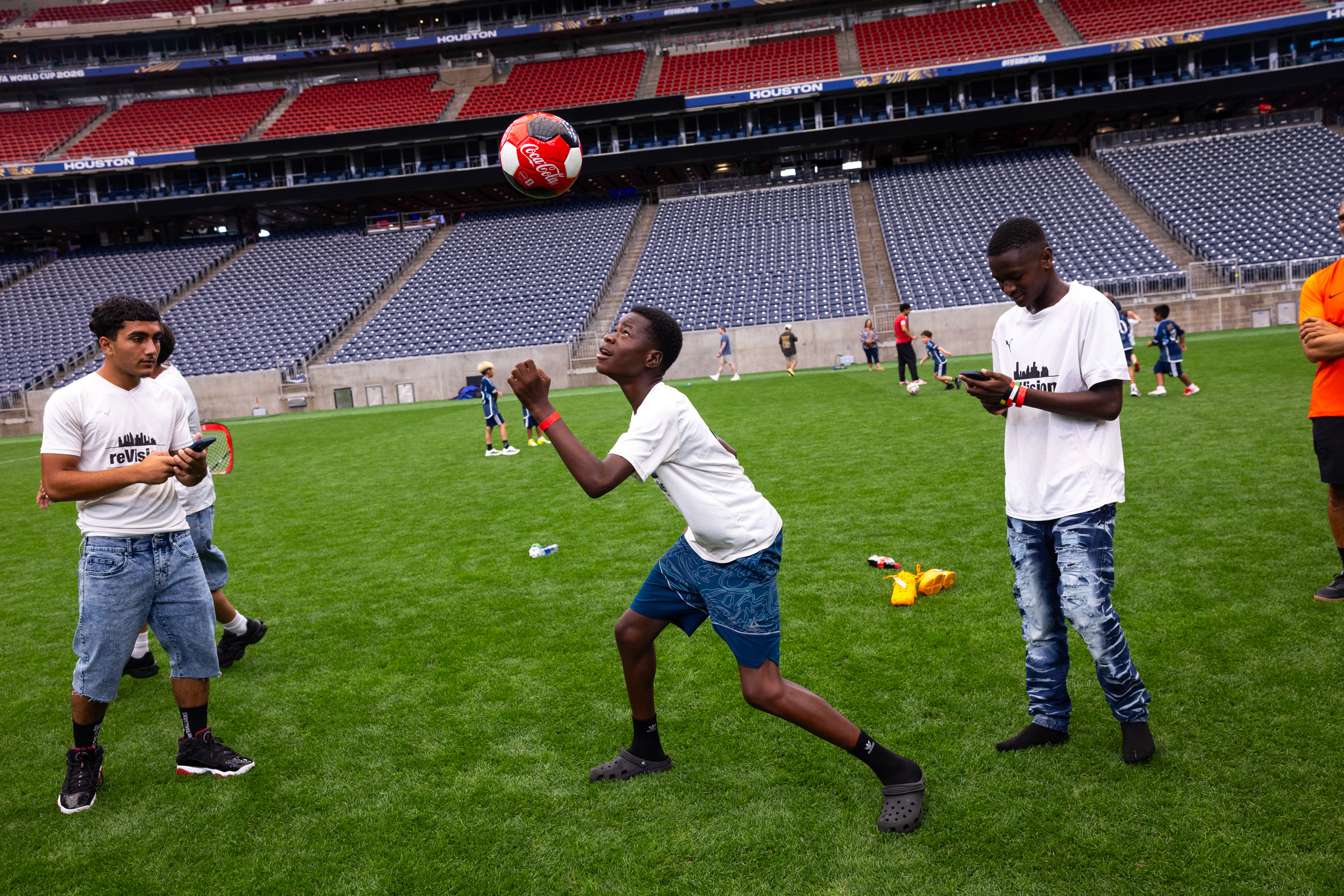
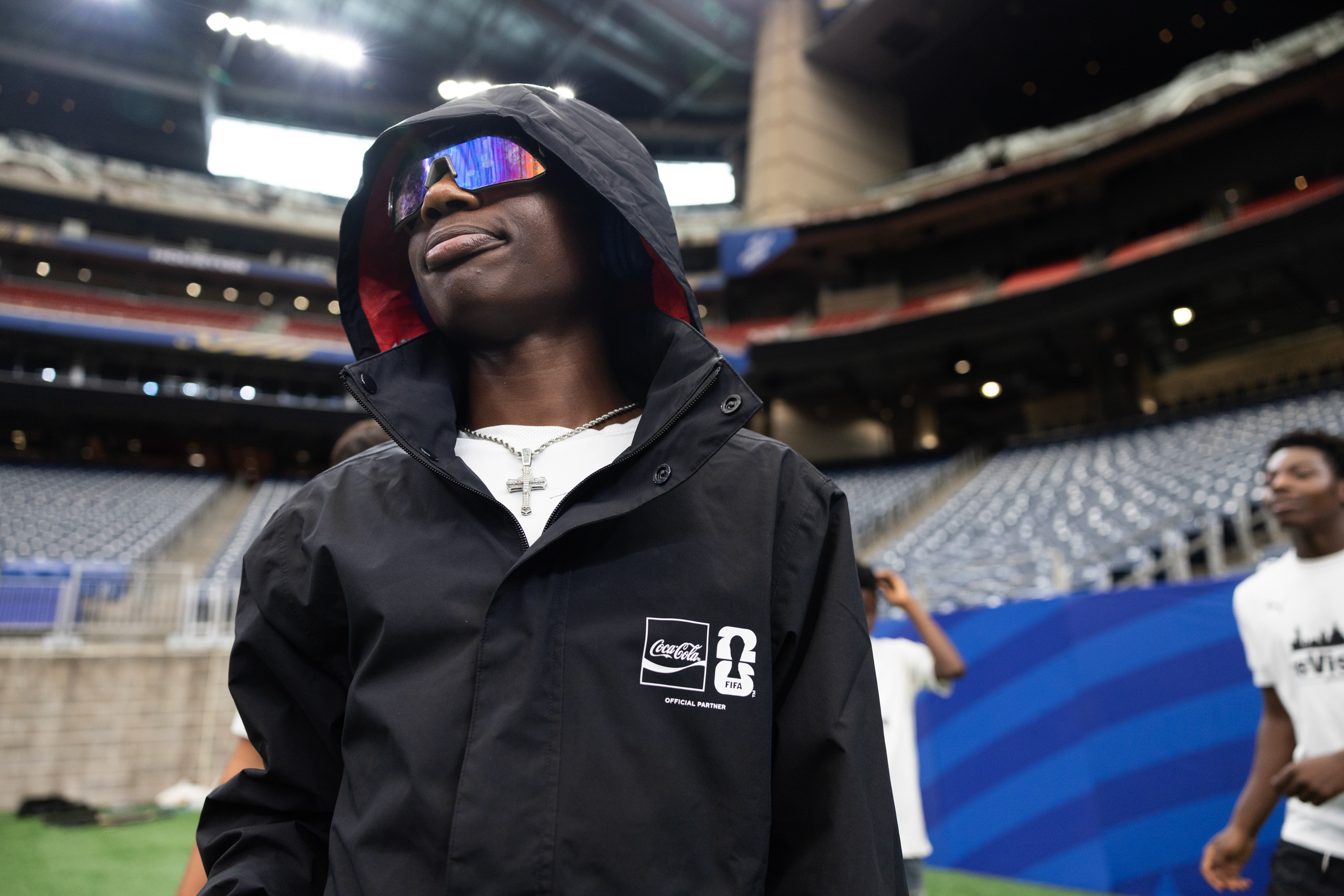
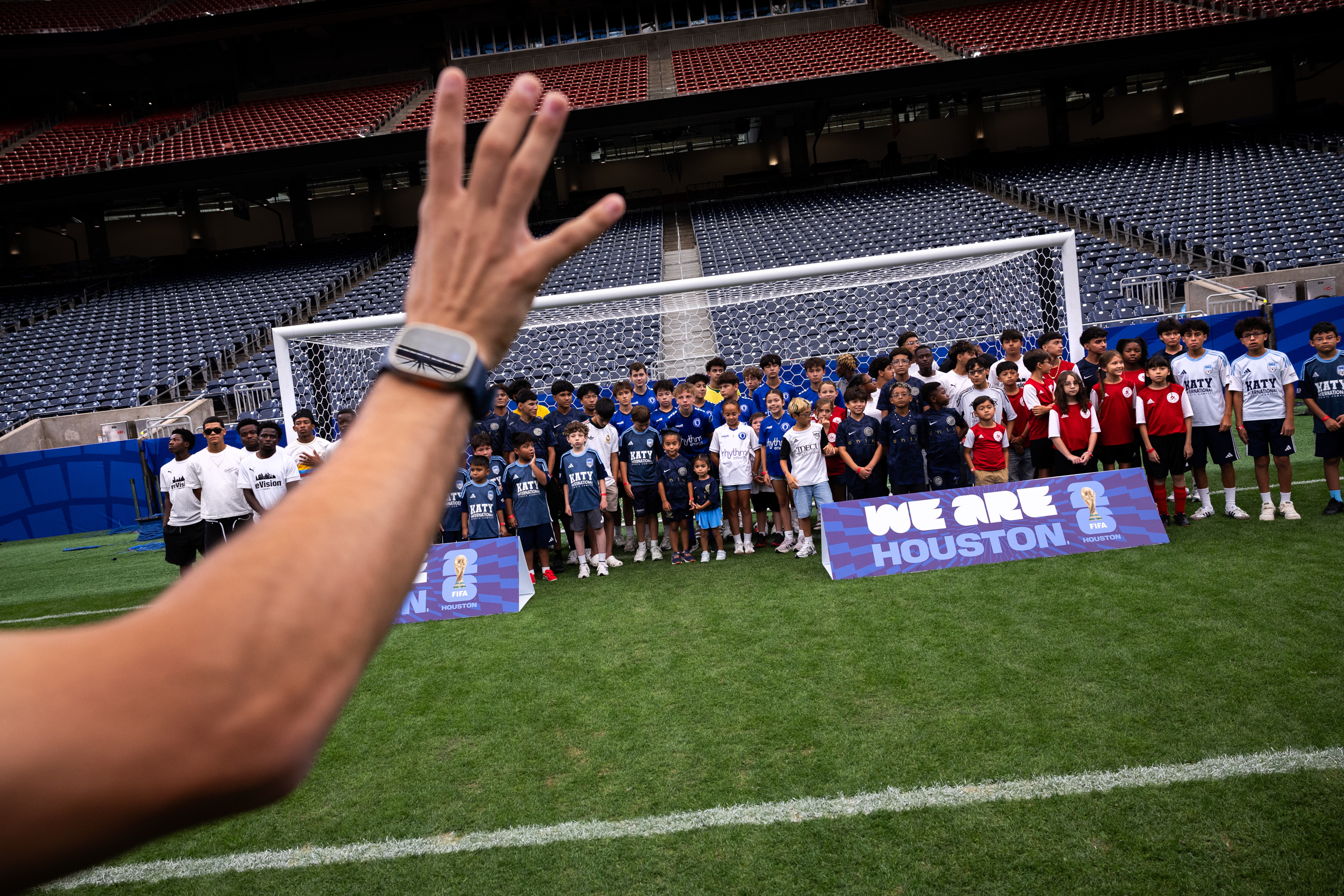

Rotramel’s connections to the FIFA World Cup 26 committee and Common Goal, a worldwide anti-racism soccer organization that was awarded all player escorts for World Cup games, allowed him to provide players like Badera and other young people in the program with an opportunity to be flag bearers and participants in World Cup activities and events.
“It’s been great, because a lot of our kids get to see people who come from the same places they do and they are playing in the World Cup, and that fills you with enormous pride, and it’s also shown them what’s possible,” he said.
Soccer is considered the most popular sport in the world due to its accessibility. In most countries, all someone needs is an open field, a ball, and something to kick with.
However, youth soccer in America can be expensive due to the club format, which requires high player registration fees and tournament travel. Nationally, the average family can spend $1,500 to $6,000 per year on competitive travel soccer, according to a report by U.S. Soccer Parent, and elite soccer pathways such as MLS NEXT, which ReVision FC has played against, can often cost $8,000 to $15,000 annually.

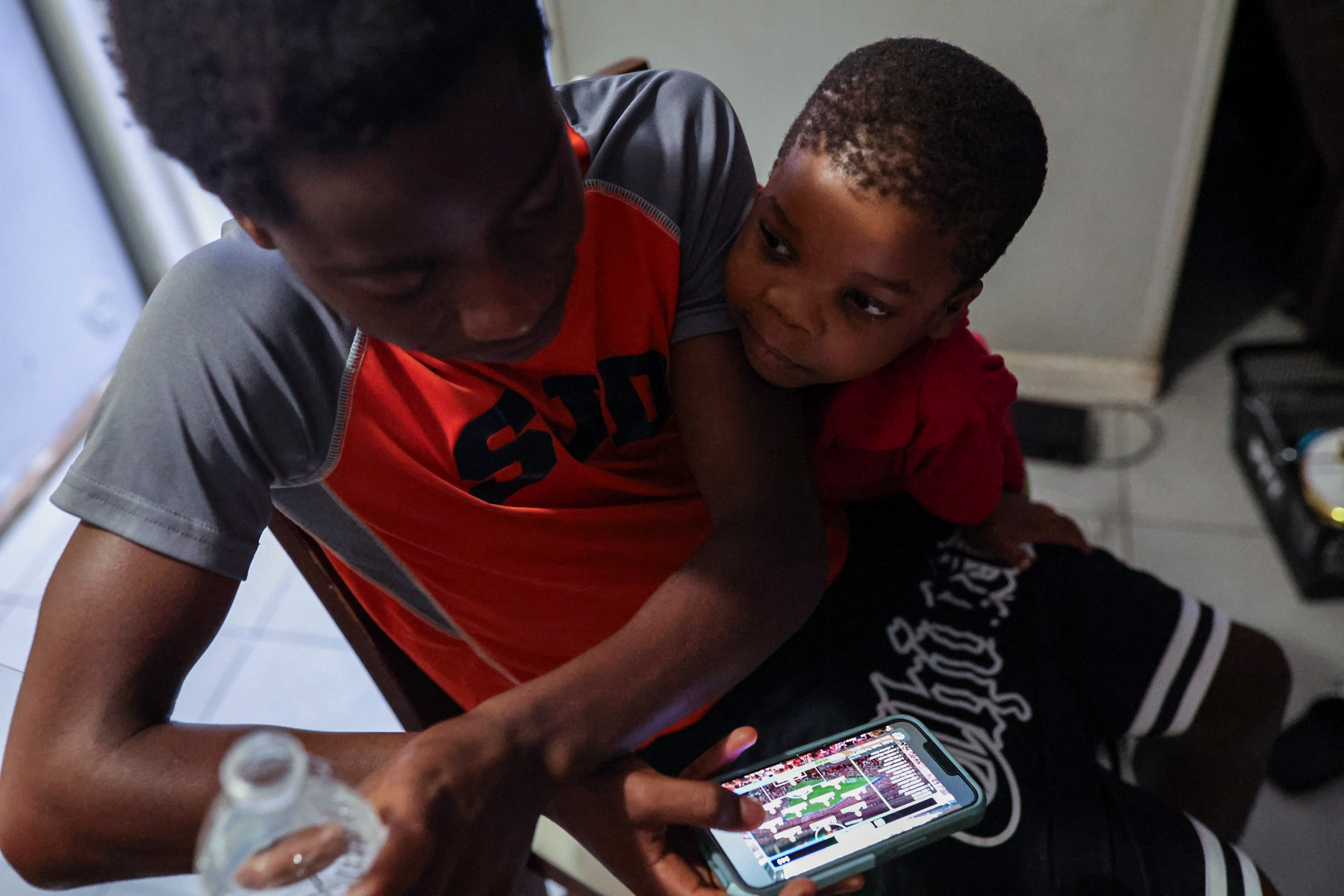
“If you aren’t in one of these clubs, then bigger schools and teams won’t see you,” Badera said, whose entire goal is to become a professional soccer player to move his family to a better home.
ReVision FC is located in the highly immigrant neighborhoods of Houston, and residents there often don’t have the extra income to enroll their kids in expensive after-school programs.
To ensure children in their region get a fair look, Rotramel said his youth soccer club offers everything for free, including cleats and transportation to games and practices.
The soccer club provides these free services through federal and state grant funding and donations instead of collecting expensive player participation fees. Using this funding model, the soccer program in Houston’s immigrant communities is considered one of the most successful organizations in the state, having won multiple championships, with over 40 players going on to play in college.
However, the soccer program’s main goal is to keep children out of the juvenile justice system, something it has accomplished in a short time by using the world’s game to offer a safer alternative to criminal activity.
“Kids can get really isolated, especially kids who are a little different from their peers in school and other things. They can lack community and really feel like they’re by themselves,” Rotramel said. “This is where they can fall prey to gangs that offer them a sense of belonging.”
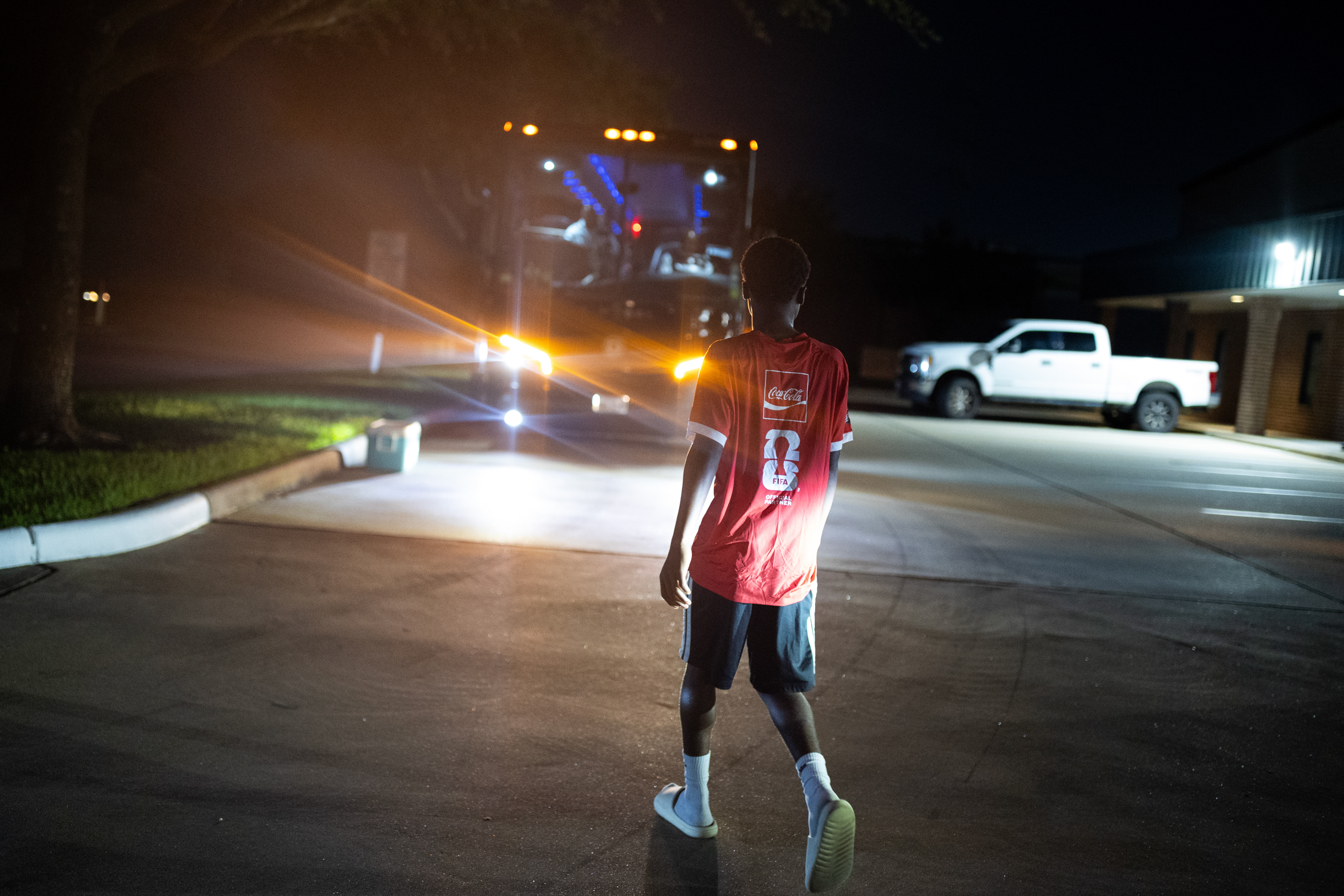
Changing the community
Rotramel looks out at his soccer players at each practice with pride as they run across bright green soccer fields.
“When we moved here, this was the highest juvenile crime area in Harris County, this zip code 77081, and the next one over, 7704, would consistently have the most juvenile gang activity and the highest incarceration rate of any in Harris County,” he said, waving his hand over the soccer fields that used to be home to juvenile detention facilities.
Rotramel said that when his organization set its sights on immigrant communities more than 20 years ago, it quickly realized it needed to move from gang intervention to prevention, hoping to find a way to captivate kids with a positive activity before they were drawn into criminal activity.
The first initiative launched was a breaking program, sometimes known as breakdancing, and its success can be seen today with one of their former participants taking part in the 2024 Olympics.
The idea for a soccer program came to them when a group of kids from the nearby high school appeared in front of the nonprofit building, asking staff to use their parking lot to play soccer because they had been kicked out of the park.


Rotramel said he was watching the kids play and noticed how skilled they were; it seemed all they needed was a team and a chance. He decided then, despite having no prior knowledge of the rules or experience in soccer, to create a free-to-play youth team for the community.
Robert Trevino, a mental health counselor at Houston reVision, said their mission to combine after-school activities with resources and support has enabled them to collaborate with like-minded individuals, including Henry Gonzales, the executive director of the Harris County Juvenile Probation Department. He said that during the COVID-19 pandemic, reVision worked with Gonzales to enable youth who were locked up to deliver hot meals to children in the neighborhood.
“They let 80 kids out in one single day, and we put those kids in our food routes, and we said if we can keep 50% of those kids from being locked up again, we’ll consider that a success,” Trevino said. “Well, only 10% of them ever got locked up again.”
The food distribution partnership was such a success that the juvenile detention department closed the facilities where the soccer fields now stand and converted the remaining facilities into the Opportunity Center, where youth can earn their GED diploma.
Rotramel said the stories of transforming detention centers into soccer fields and training centers are just examples of the stabilizing impact his soccer club and nonprofit organization have had on Houston.
“The kids talk about us; the neighborhood knows about reVision,” he said.

An uncertain future
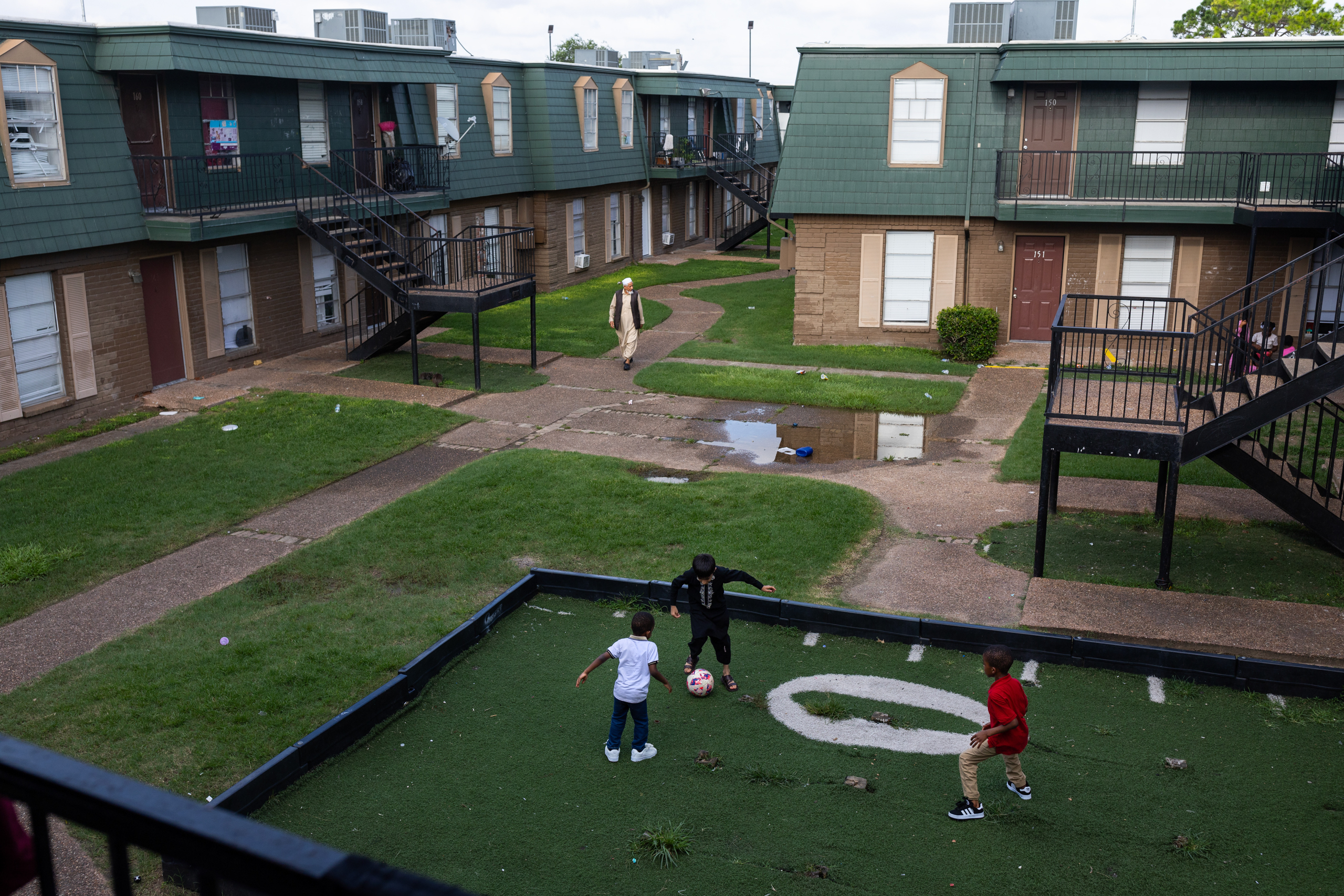
Kenasi Mwami, a 14-year-old refugee from the DR Congo, waited in the rain outside his apartment complex in Houston, which he shares with Badera and other refugees from Africa and the Middle East. This morning, he was going to watch Portugal play his home country at the World Cup game in Houston
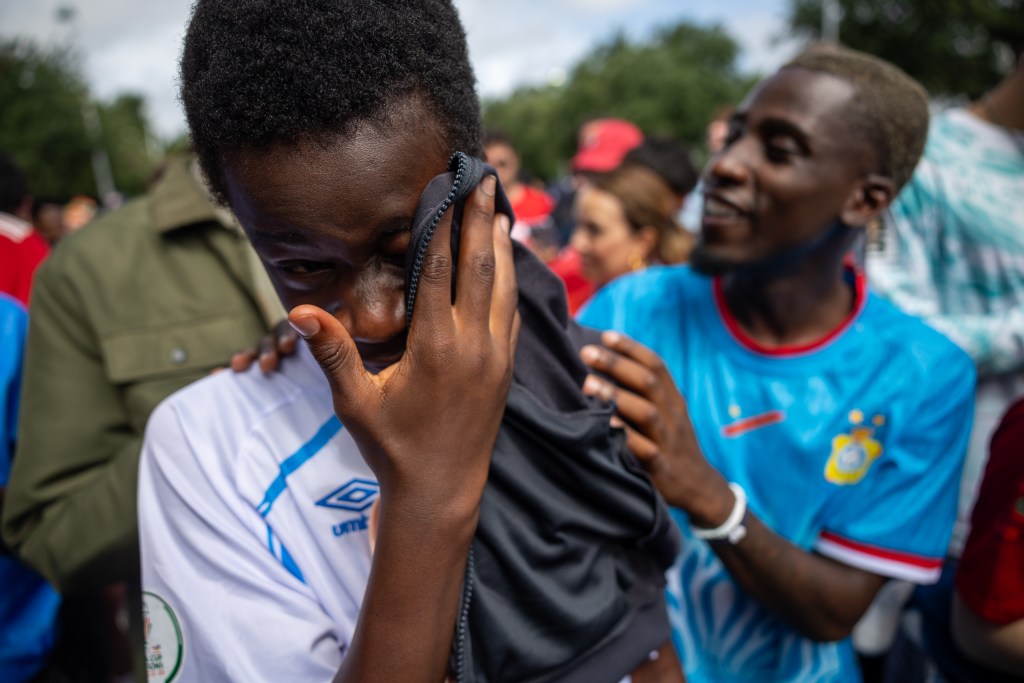
Mwami was waiting for fellow Congolese refugee, 26-year-old Patricque Kisindja, to pick him and four other current and former reVision FC players. He’s a shy teenager who says very few words, but his coaches and teammates make sure he feels comfortable.
As they walked toward the stadium, Mwami, the youngest of the group, grew nervous until Kisindja rustled his shoulders to get him excited. It wasn’t until Mwami saw the DR Congo bus that he finally smiled while silently wiping a tear from his eye.
By the time the game was over, Mwami was laughing and joking in Swahili with other team members. For Mwami, soccer brings out his confidence, and reVision FC gives him a community where he feels safe enough to be himself.
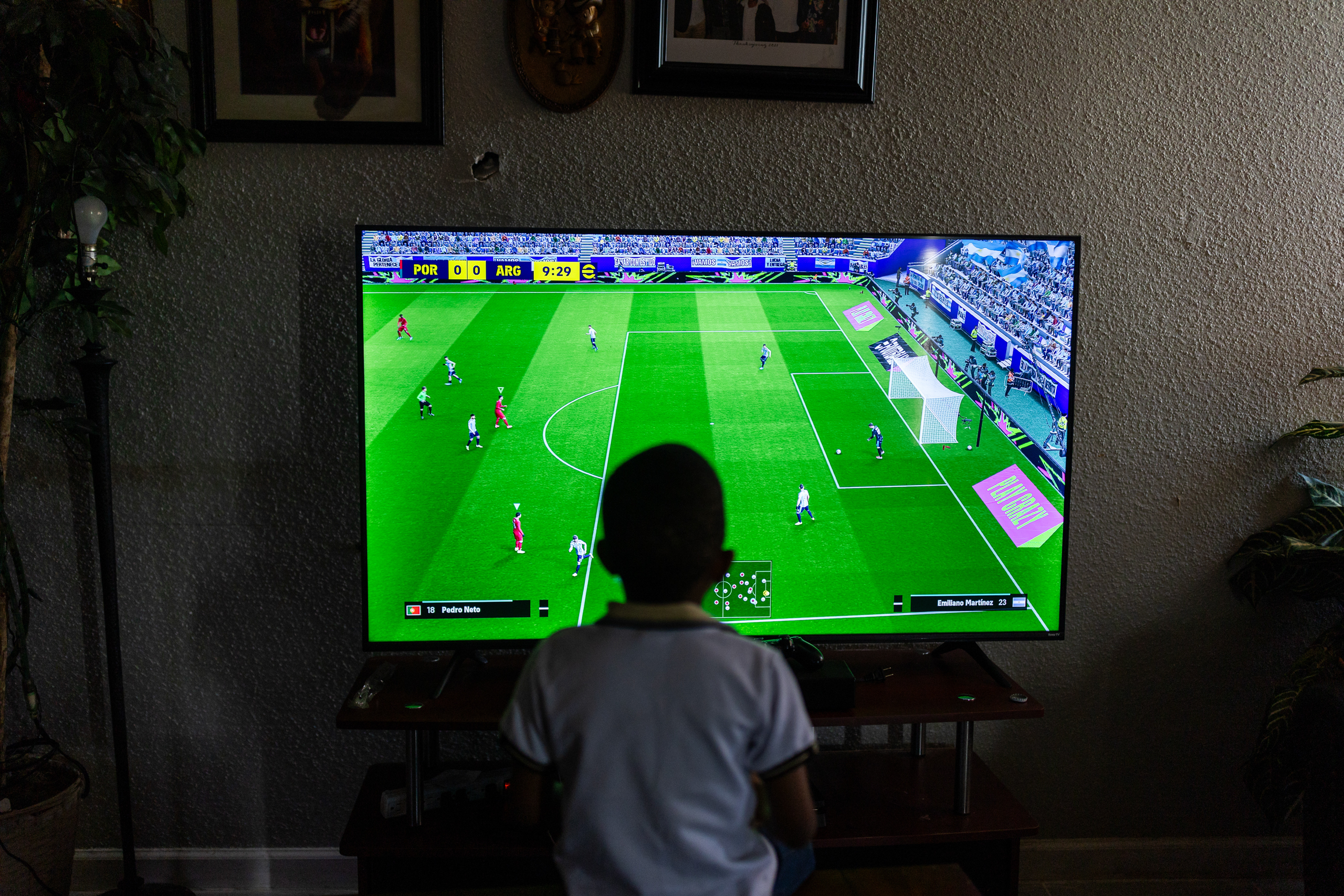
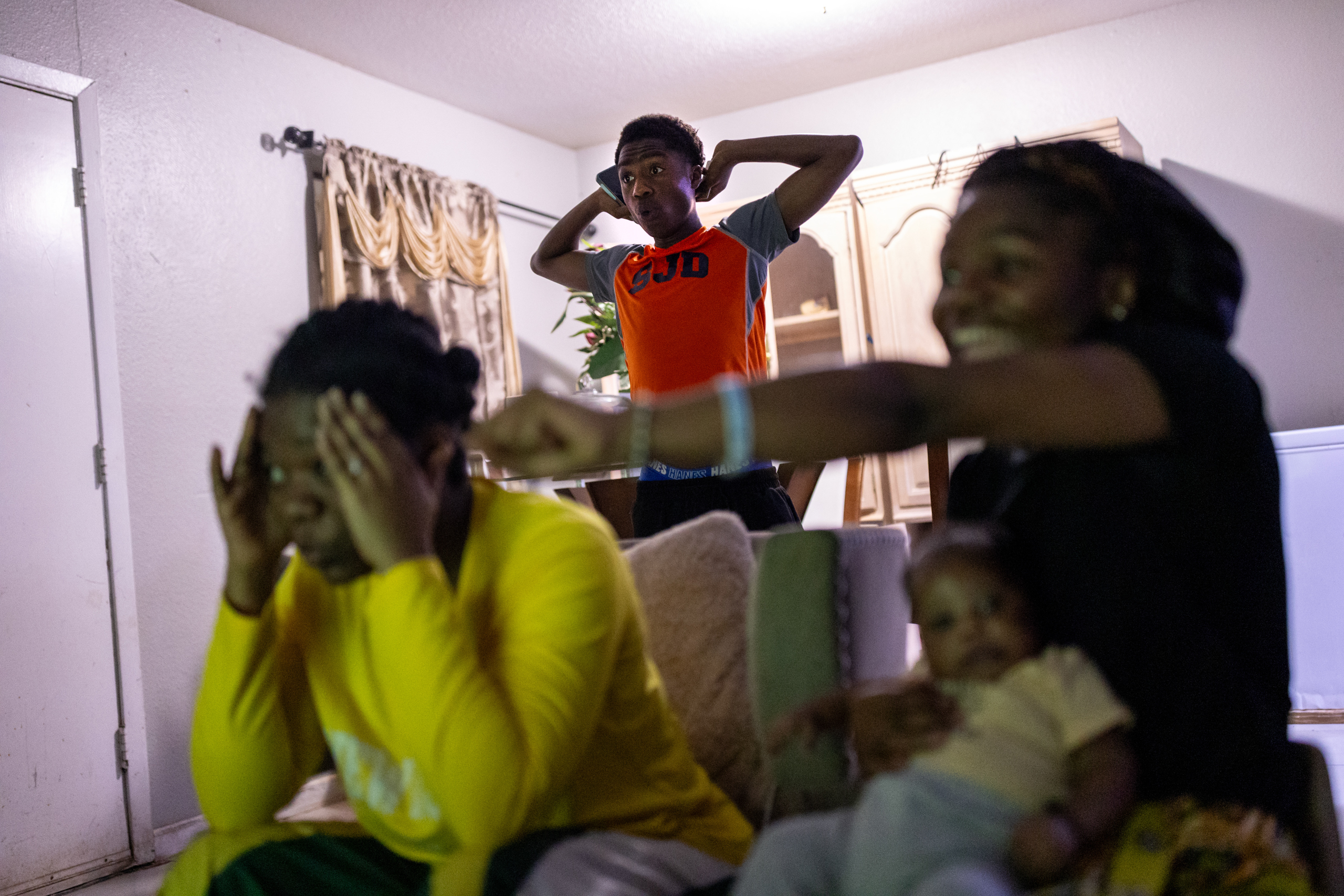
Rotramel said he remembers when Mwami and Badera first appeared at reVision in 2021 because they were the two youngest children in the room watching the World Cup game. He said he watched their confidence grow over the span of a few days, going from sitting quietly in the back to cheering with everyone else during the final.
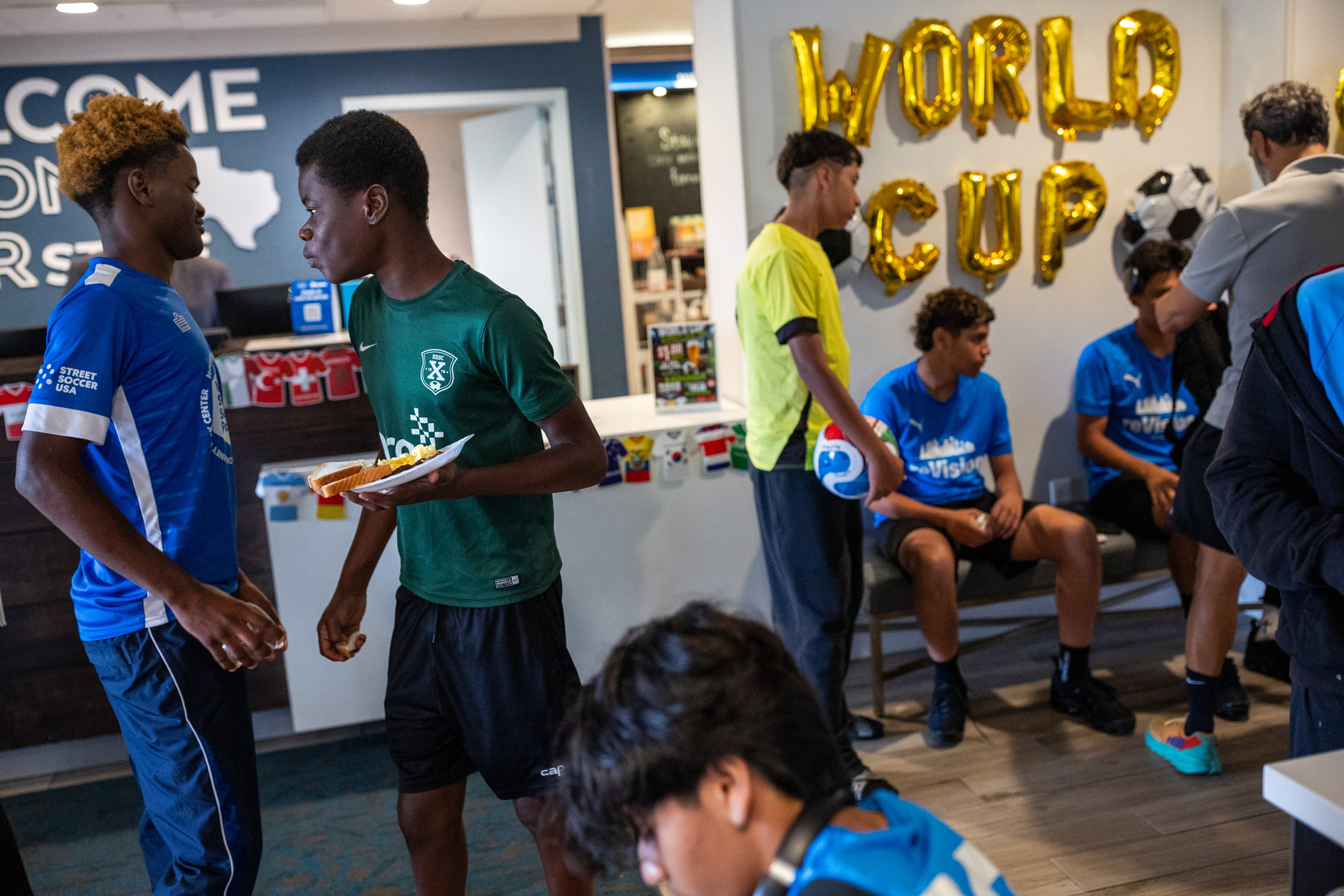
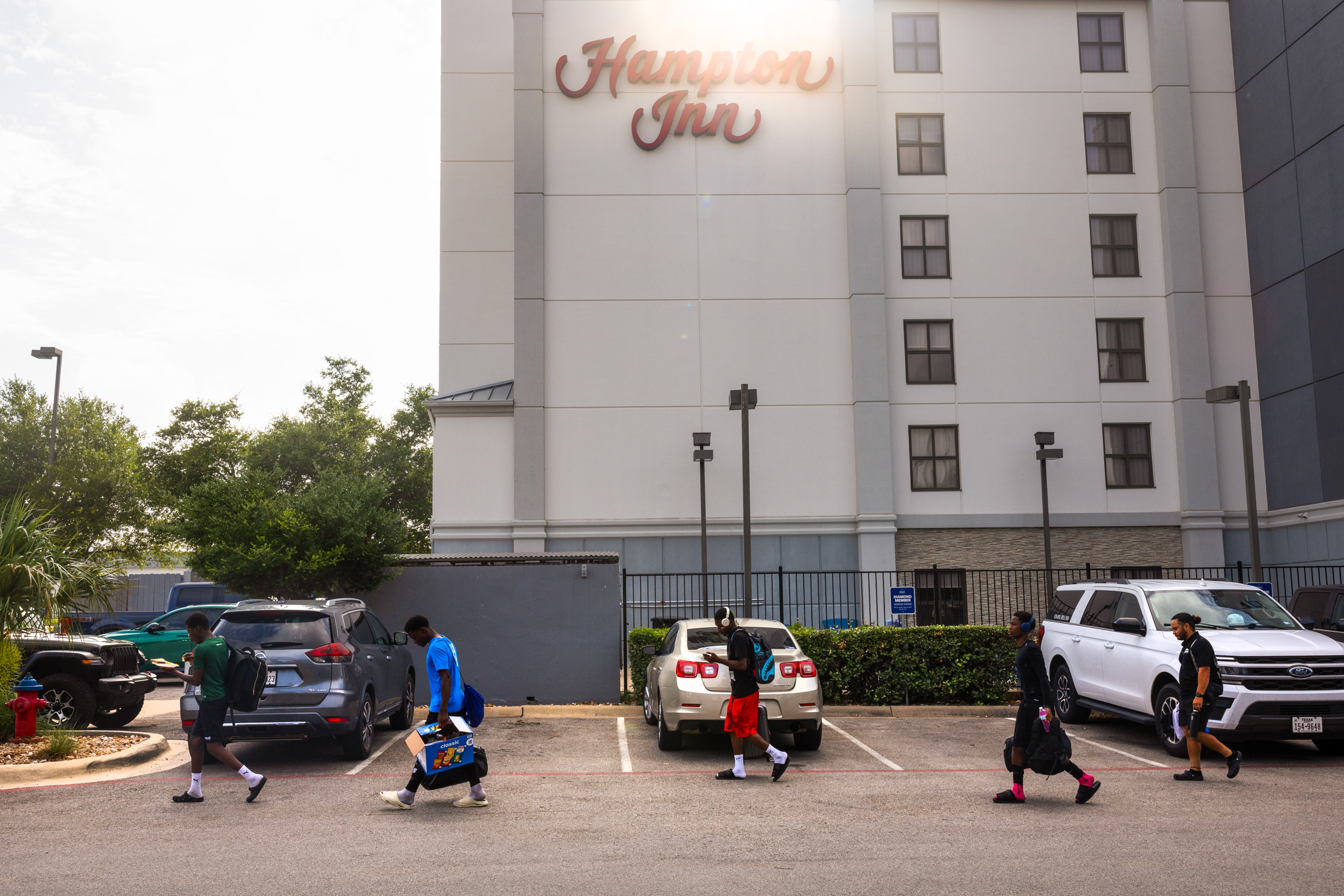


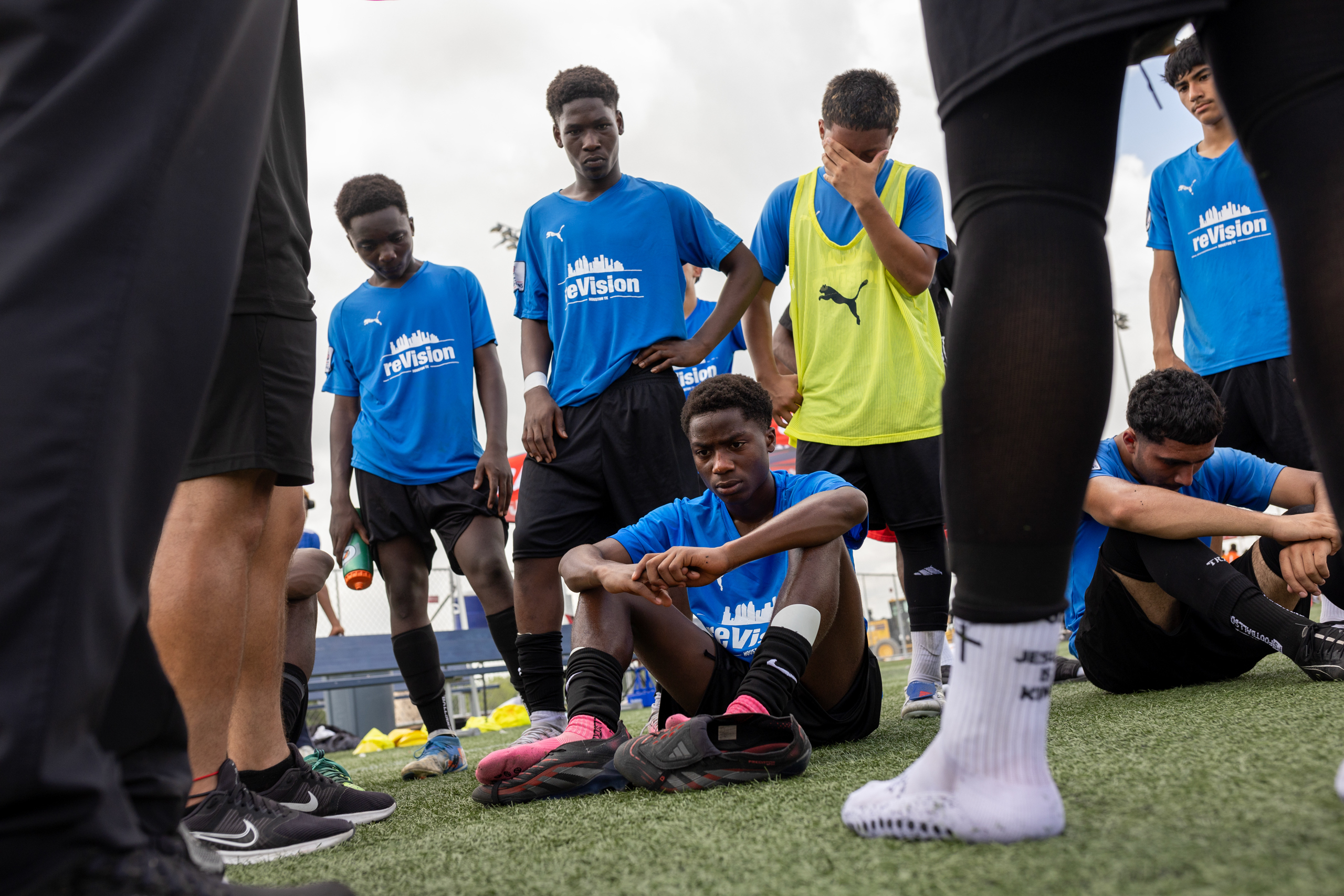
“I mean, they just live and breathe reVision now,” Rotramel said with a laugh. “That is who their friends are, that is who they hang out at school with, they play on the same high school team, and both of their families are involved. They are great ambassadors for us because they’re great examples of what we’re trying to achieve.”
ReVision FC has many stories like Mwami’s and Badera’s, but last year, the nonprofit had to lay off half its staff due to a sudden decline in revenue.
“It has been brutal for reVision; we lost a lot of federal funding, as every nonprofit did,” Rotramel said. “I mean, it’s a scary time to be in the nonprofit sector. We are just hopeful we can continue to sustain it.”
The nonprofit received funding from various federal programs for its work in criminal justice, youth homelessness, immigration, and more, but each of these line items was targeted by budget cuts this past year by the DOGE committee and other anti-DEI philosophies permeating Washington.
When it comes to state funding, it comes and goes with the mood of lawmakers, and the current sentiment is against reVision FC.
“One day, crime prevention is a top priority until it’s not. Then, it’s putting cops in schools and building more detention facilities,” Rotramel said. “We are currently in one of those downward ebbs where they aren’t listening to us but racist anti-immigrant messaging, instead of what makes economic sense.”
Rotramel said the organization is planning a large fundraising event in November and has several other counties’ juvenile justice programs, like Rosaria and Fort Bend, reaching out to expand their concept beyond Harris County, something they are examining to keep the program going
Wu said currently, state institutions aren’t providing enough mental health support to prevent tragedies, making programs like reVision FC crucial to the community. He recalled a promising Houston student whose life spiraled after the death of his brother, and despite everyone seeing it happen, nothing was done to prevent it, leading to a life of crime as a gang member.
“The teachers all say you can pinpoint it down to the day what had happened. They watched this kid spiral at the grave. I asked the family if they did any counseling, and they said the school provided two sessions, and that was it. Now he is doing 15 years all because we couldn’t provide adequate counseling,” Wu said.
Wu said he plans to keep fighting for reVision FC with his crime reform bills, but it won’t reach Gov. Greg Abbott’s desk without public pressure.
“The question should be, why is this being left to private organizations dependent on the generosity of strangers and government handouts? Why is the safety and security of our community up for grabs like this?” Wu said. “Why don’t we invest consistently in those that we know work? That is the question I wish people would ask because it’s embarrassing as hell.”
This article first appeared on The Texas Tribune.