They’re in Remission, but Their Medical Bills Aren’t: Cancer Survivors Navigate Soaring Costs
By Renuka Rayasam
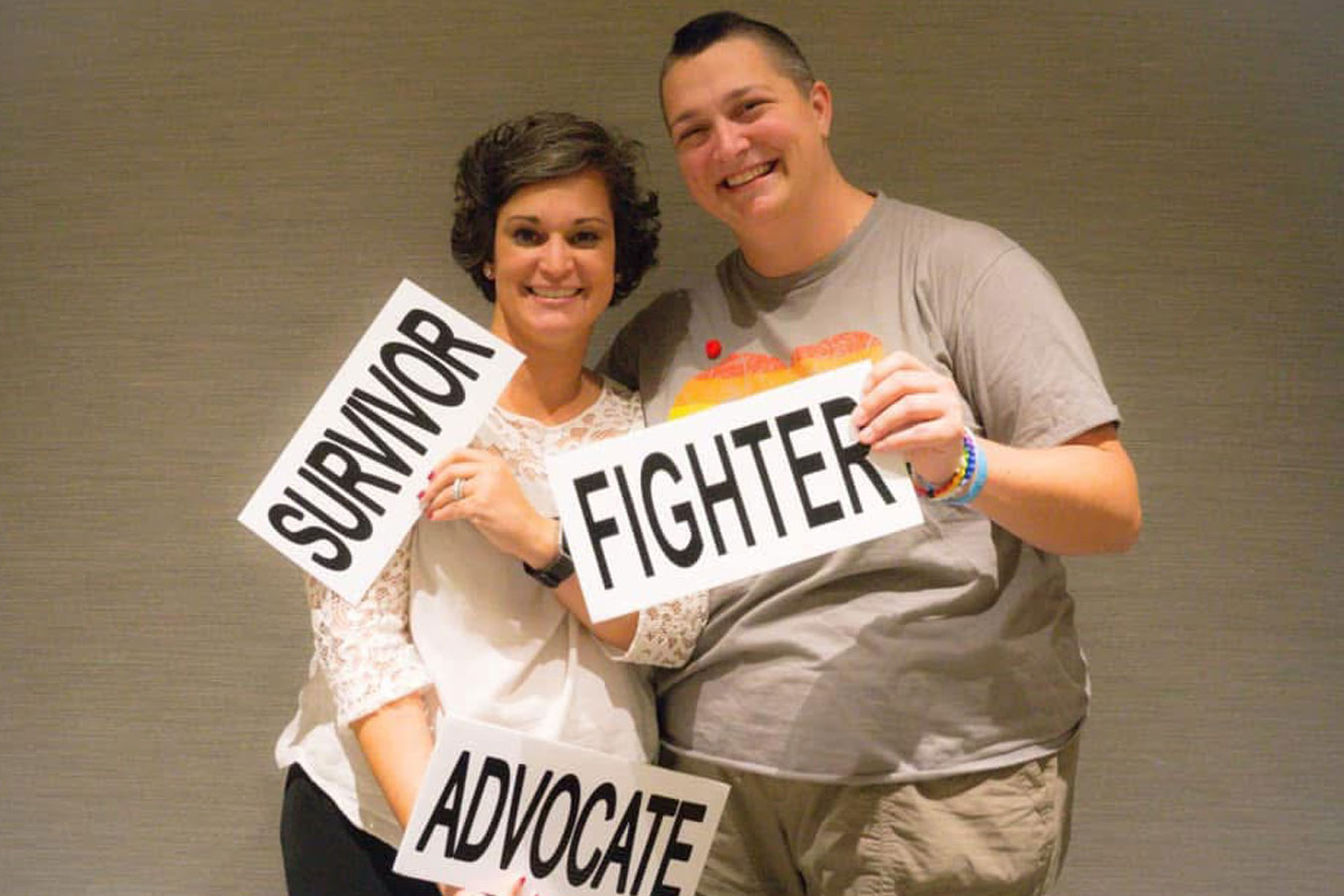
Nearly four years after doctors declared Marielle Santos McLeod free of colon cancer, she has yet to feel liberated from the burden of medical expenses.
McLeod, who lives near Charleston, South Carolina, is still paying off chemotherapy bills that followed her 2017 diagnosis. She also now faces an onslaught of out-of-pocket costs for follow-up monitoring and care, including regular visits to a pulmonologist and allergist.
McLeod, 45, said she had already spent $2,500 in the first two months of the year and owes an additional $1,300 from a January colonoscopy. That’s on top of the $895 monthly premium for a health insurance plan that covers her family of six.
Those costs have led McLeod to ration her other care. Despite feeling intense chest pain since February, for example, she is putting off a CT scan and a visit to a heart specialist.
“You’re forced to pick and choose as to where your priorities really need to be,” said McLeod, director of strategic programs and partnerships at the Cancer Hope Network, a nonprofit that supports cancer patients. Even in that role, she struggles to navigate the financial aftermath of surviving the disease.
The cost of postcancer care often “keeps us hostage,” she said.
McLeod is one of nearly 19 million U.S. cancer survivors, many of whom continue to need prescriptions, doctor visits, and procedures to monitor their condition and manage posttreatment side effects. Of more than 1,200 cancer patients and survivors surveyed in 2024, about 47% said they had carried medical debt, with nearly half having owed more than $5,000, according to the American Cancer Society Cancer Action Network.
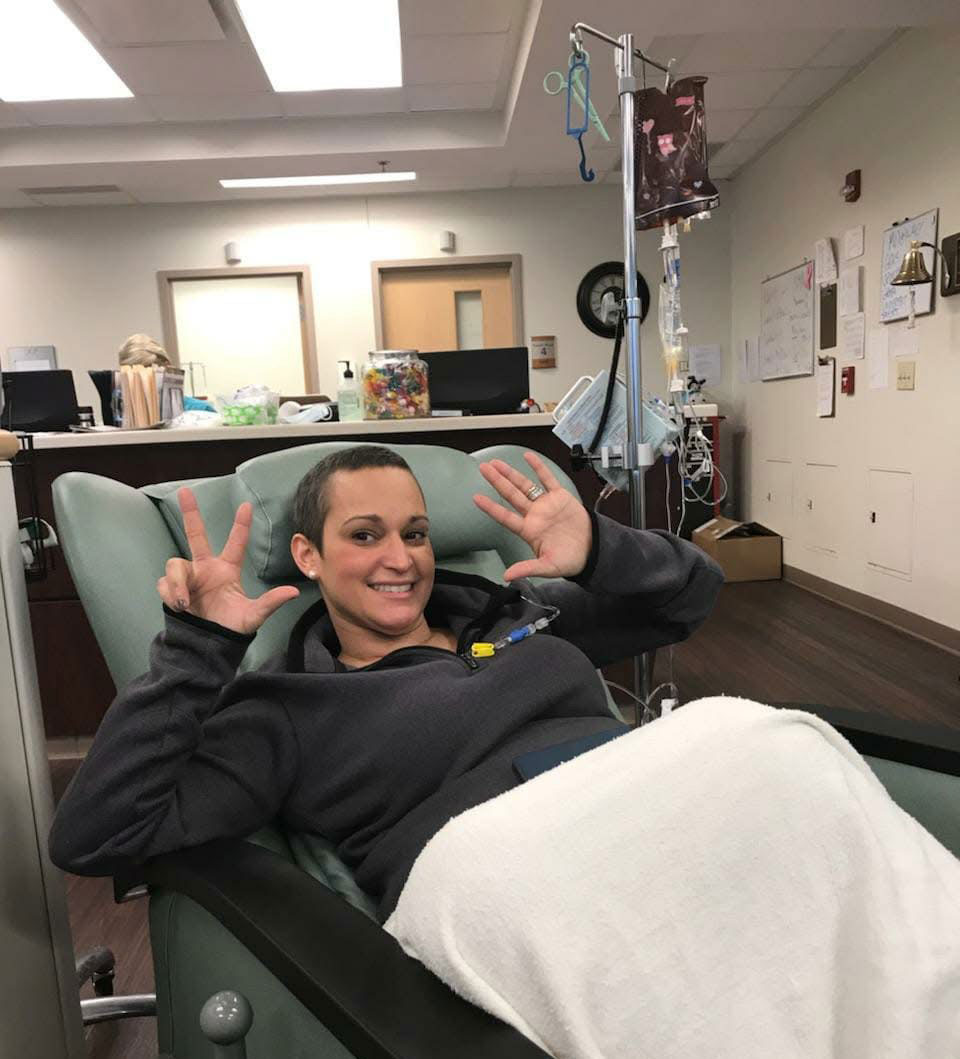
Yet health policy researchers and patient advocates said the experiences of cancer survivors reveal the limits of the Trump administration’s proposals to lower premiums, which may not help patients who accumulate large medical bills year after year. The proposals center on increasing the availability of high-deductible health plans, which have lower monthly payments but require patients to pay thousands of dollars out-of-pocket before coverage kicks in.
In addition, the administration has supported allowing insurers more leeway to sell plans that are not compliant with the Affordable Care Act. Such plans could bar people who have preexisting health conditions, like a cancer diagnosis, and exclude essential benefits that ACA plans are required to cover.
The administration did not answer a request for comment on how its proposals would affect cancer survivors. But its supporters say, in general, people would have more flexibility to personalize coverage and more options for plans with lower monthly fees.
Michael Cannon, director of health policy studies at the Cato Institute, a libertarian think tank, believes patients would have better control over spending, and the option to choose what kind of care gets covered, if health plans were exempted from the ACA’s regulations. A person could opt for a plan that includes cancer treatment but not maternity care, for example.
History proves insurance coverage is not that simple, especially for people with preexisting conditions, said Jennifer Hoque, an associate policy principal with the American Cancer Society Cancer Action Network. When health plans could “pick and choose” enrollees based on preexisting conditions prior to the ACA, people needing the costliest care often struggled to find coverage, she said.
“They’re not going to choose a cancer survivor,” Hoque said of health insurers.
That was the case for Veronika Panagiotou, who said private insurers refused her coverage back in September 2013 because she had a high body mass index. Two months later, as a 25-year-old uninsured graduate student, she was diagnosed with non-Hodgkin lymphoma. The hospital treated her, she recalled, “and sent me all the bills.”
In January 2014, Panagiotou was able to buy one of the first ACA plans that went into effect. It covered chemotherapy and immunotherapy treatment, imaging, medications, hospital stays, weekly blood draws, a blood transfusion, and emergency room visits.
Now Panagiotou, 37, is cancer-free and works as director of advocacy and programs at Cancer Nation, a nonprofit advocacy group. Even though she is covered through her employer, Panagiotou said treatment-related expenses weigh heavily on her life decisions.
“Every choice I make, I think about cancer,” she said.

Chris Bond, a spokesperson for AHIP, the main health insurance trade association, said its members are working to improve access to coverage. But that can be a challenge when doctors and drugmakers are hiking prices, he said. Health plans are trying to “shield Americans from the full impact of those rising costs,” Bond said.
The Lymphoma Research Foundation has seen a 10% increase in applications to its patient aid fund this year, CEO Meghan Gutierrez said. “This trajectory suggests that financial safety nets, when they exist, are straining,” she said.
Rising prices are affecting everyone, regardless of the kind of health insurance they have, if any, said Brian Blase, president of Paragon Health Institute, a Republican-aligned think tank. “The biggest challenge for cancer patients isn’t the type of coverage,” he said. “It’s the underlying cost of care.”
Blase pointed to President Donald Trump’s focus on lowering drug prices as potentially helpful to cancer survivors. The Medicare Drug Price Negotiation Program, established by the Inflation Reduction Act of 2022, required the Department of Health and Human Services to negotiate prices for certain high-cost drugs, to lower prices for the federal health insurance program for people ages 65 and older. Drugs for breast, prostate, and kidney cancers are already on that list, according to KFF.
Yet Hoque fears efforts to weaken ACA protections and financial support for marketplace plans will give cancer survivors — who she said tend to “hang on to insurance for dear life” — fewer options, especially between jobs or during career changes.
Erin Jones, a 31-year-old food policy researcher living in Fort Collins, Colorado, who was diagnosed with Hodgkin lymphoma as a young adult, is now cancer-free but still sees two oncologists, visits a high-risk breast clinic, and gets a breast MRI annually. Jones gets health insurance through the university where she works, and said she recently deferred acceptance to a PhD program partly due to uncertainty over affordable coverage.
“I don’t have the freedom to do the things I want to do as easily,” she said, “because I am constantly worried about health insurance.”
Costs related to surviving cancer, including monitoring for recurrence and treatment of side effects, were expected to reach $246 billion by 2030, up from $183 billion in 2015, according to research published in 2020.
Advancements in both detecting and curing cancer have resulted in a higher percentage of people surviving five years or more after diagnosis, according to the American Cancer Society. The number of survivors is expected to grow to more than 22 million people by 2035, estimates show.
Despite these advancements, the cost of treatment can steal the spotlight, said Ezekiel Emanuel, a co-director of the Healthcare Transformation Institute at the University of Pennsylvania and a onetime health policy adviser to former President Barack Obama.
An oncologist, Emanuel said he had observed patients make the difficult decision to delay or skip postcancer care as a result.
“Even when we triumph,” he said, “we don’t seem to be able to have a celebration.”
Are you struggling to afford your health insurance? Have you decided to forgo coverage? Click here to contact KFF Health News and share your story.
KFF Health News is a national newsroom that produces in-depth journalism about health issues and is one of the core operating programs at KFF—an independent source of health policy research, polling, and journalism. Learn more about KFF.
This article first appeared on KFF Health News and is republished here under a Creative Commons Attribution-NonCommercial-NoDerivatives 4.0 International License.