Five Things to Know About Cervical Cancer
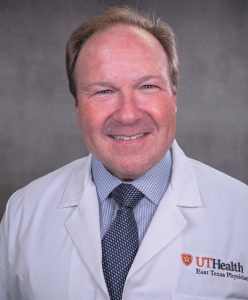
Dr. Daren Yeager
January is Cervical Health Awareness Month and Cervical Cancer Screening Month. Dr. Daren Yeager, board-certified obstetrician and gynecologist with UT Health East Texas Physicians, shares five things to know about this important topic.
What causes cervical cancer?
Most cases of cervical cancer are caused by the human papillomavirus, or HPV, which is a very common virus spread through intimate skin-to-skin contact. While many HPV infections clear on their own, some high-risk types can lead to cervical cancer if not monitored.
Who should get screened for cervical cancer, and how often?
Screening is recommended for people with a cervix starting at age 21. Pap tests are typically done every three years, while HPV testing may be done every five years for those over 30. A healthcare provider can recommend the best schedule based on individual health history.
What role does the HPV vaccine play in prevention?
The HPV vaccine is a powerful tool in preventing cervical cancer because it protects against the most common cancer-causing strains of HPV. It’s recommended for preteens but can be given up to age 45, depending on individual circumstances.
What symptoms should people watch for?
Early cervical cancer often has no symptoms, which is why screening is so important. As it progresses, symptoms may include abnormal vaginal bleeding, pelvic pain, or pain during intercourse. Anyone experiencing these symptoms should contact a healthcare provider.
Are there at-home tests available for cervical cancer screening?
At-home HPV test kits are becoming more available and allow people to collect a sample themselves and send it to a lab. While these tests can help increase access to screening, they don’t replace regular Pap tests, and anyone with a positive result should follow up with a healthcare provider.
Daren Yeager, MD, is a board-certified obstetrician and gynecologist with UT Health East Texas Physicians. With his expertise in gynecology and surgery, he is dedicated to helping women achieve better health. Dr. Yeager is employed as a clinical faculty physician at The University of Texas at Tyler Health Science Center under the UT Tyler School of Medicine. To schedule an appointment, call 903-590-5700.